What is Blue Light Reading Glasses and Do They Work?
In today's digital world, devices are everywhere. Many people spend hours reading on screens. However, this prolonged exposure to screens can lead to eye strain. This is where Blue Light Reading Glasses come into play. These glasses claim to reduce blue light exposure. But do they really work?
Blue Light Reading Glasses are designed to filter harmful blue light. They come in various styles and designs. Some users report less eye fatigue when using them. Others, however, feel no difference at all. It raises the question: are they effective for everyone?
Many users appreciate the idea behind these glasses. They want to protect their eyes from potential damage. Yet, some find them unnecessary. This division of opinion highlights a crucial aspect of eyewear. Personal experiences can vary greatly. Understanding how blue light impacts our eyes is essential. Our habits and lifestyle choices also play a significant role.
Understanding Blue Light: Definition and Sources
Blue light is a high-energy visible light. It has a short wavelength and is emitted by various sources. The sun is the most natural source of blue light. However, artificial sources are more prevalent in modern life. This includes LED lights, computer screens, and smartphones. Many people spend hours in front of these screens daily. This prolonged exposure can lead to eye strain and discomfort.
Understanding the sources of blue light is essential. For instance, many households use LED bulbs, which are bright and energy-efficient. These bulbs can emit more blue light than traditional incandescent bulbs. Additionally, most electronic devices have screens that radiate blue light. This includes tablets and laptops. Their blue light emissions can disrupt sleep cycles and cause fatigue.
While blue light reading glasses claim to filter out this light, their effectiveness is still debated. Some users report reduced eye strain while others see no difference. It’s crucial to evaluate personal experiences. Not every solution suits everyone. Exploring various methods to ease eye strain could yield better results.
The Functionality of Blue Light Reading Glasses
Blue light reading glasses filter out a portion of blue light emitted by digital screens. This light can cause eye strain, fatigue, and even disrupt sleep patterns. Studies show that prolonged exposure to blue light can lead to digital eye strain in about 50% of users. Many have experienced headaches and dryness in their eyes.
These glasses often come with special coatings designed to reduce glare and enhance contrast. They are popular among people who spend hours on computers or tablets. A report from the Vision Council indicates that 80% of American adults use digital devices for more than two hours daily. This raises concerns about eye health.
However, the effectiveness of blue light glasses is debated. Some experts argue that the scientific evidence is limited. Users might find relief in the short term but still experience discomfort after extended screen time. A significant portion of the population may not notice substantial differences. More research is needed to fully understand the impact of blue light on our vision.
What is Blue Light Reading Glasses and Do They Work? - The Functionality of Blue Light Reading Glasses
| Feature |
Description |
Effectiveness |
| Light Filtering |
Reduces the amount of blue light entering the eyes. |
May help reduce eye strain during prolonged screen use. |
| UV Protection |
Offers protective coating against harmful UV rays. |
Effective in protecting eyes from UV damage. |
| Anti-Reflective Coating |
Minimizes glare from screens and bright lights. |
Enhances clarity and comfort when reading. |
| Aesthetics |
Various styles and designs to suit personal preference. |
Stylish options available for daily wear. |
| Prescription Options |
Can be tailored to individual vision needs. |
Effective for users with vision correction needs. |
Scientific Evidence: Do Blue Light Glasses Work?
Blue light glasses have become popular. Many people wear them for fear of eye strain. These glasses are designed to filter out blue light from screens. Blue light can disrupt sleep and cause discomfort. But do they really work?
Scientific evidence on blue light glasses is mixed. Some studies suggest they help reduce eye strain. Others find little difference in comfort. One critical study indicates that while they can block blue light, the relief is often psychological. Many report feeling better just by wearing them, even if the scientific backing isn’t strong.
In real life, results may vary. You might wear them and feel a change. Or, you may not notice any difference at all. Some users experience headaches or fatigue, despite using these glasses. It’s essential to approach them with an open mind and consider other factors, like screen time, lighting, and breaks. The effectiveness of blue light glasses is still a topic worth pondering.
Effects of Blue Light Exposure on Sleep Quality
Benefits and Drawbacks of Using Blue Light Reading Glasses
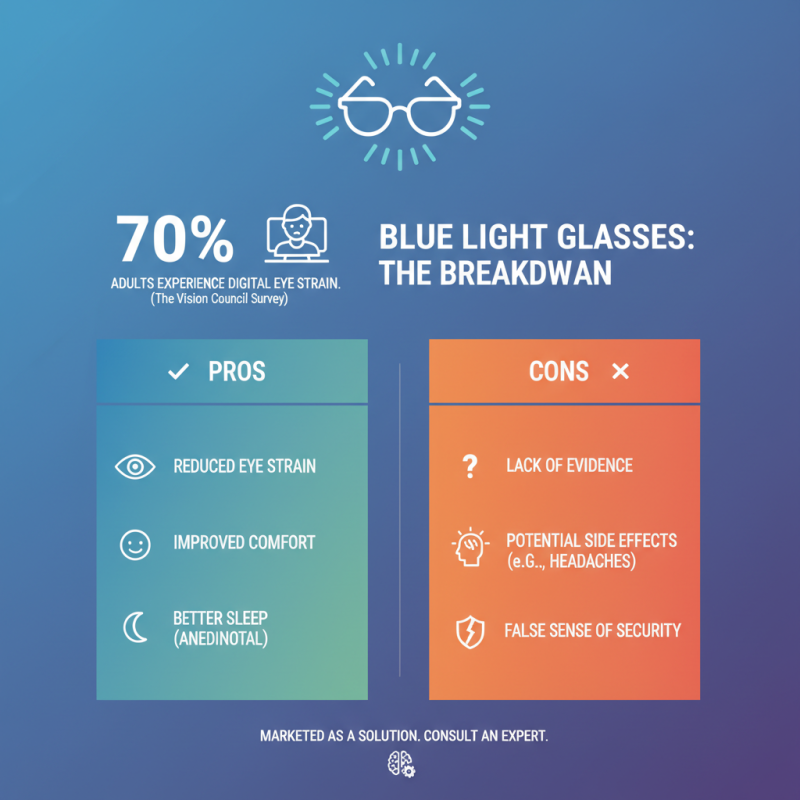
Blue light reading glasses have gained attention for their potential benefits and drawbacks. Users often cite their ability to reduce eye strain from prolonged screen use. According to a survey by The Vision Council, 70% of adults experience digital eye strain. This indicates a significant need for solutions, and blue light glasses are marketed as one option.
On one hand, these glasses can block harmful blue light emitted by screens. A study from the American Optometric Association found that reducing blue light exposure may help improve sleep quality. Some users report better focus and less discomfort after wearing them during long reading sessions. However, scientific consensus on their efficacy is still developing. Critics argue that there is insufficient evidence to support many claims, often labeling them as a placebo effect.
Despite these concerns, many find them worth trying. Wearing blue light glasses may boost comfort while using devices. Yet, the investment may not yield results for everyone. Personal experiences vary greatly, and some report no noticeable difference. The potential benefits versus the mixed reviews highlight a gap in research. More extensive studies are needed to draw definitive conclusions and guide users in their choices.
Choosing the Right Blue Light Reading Glasses for Your Needs
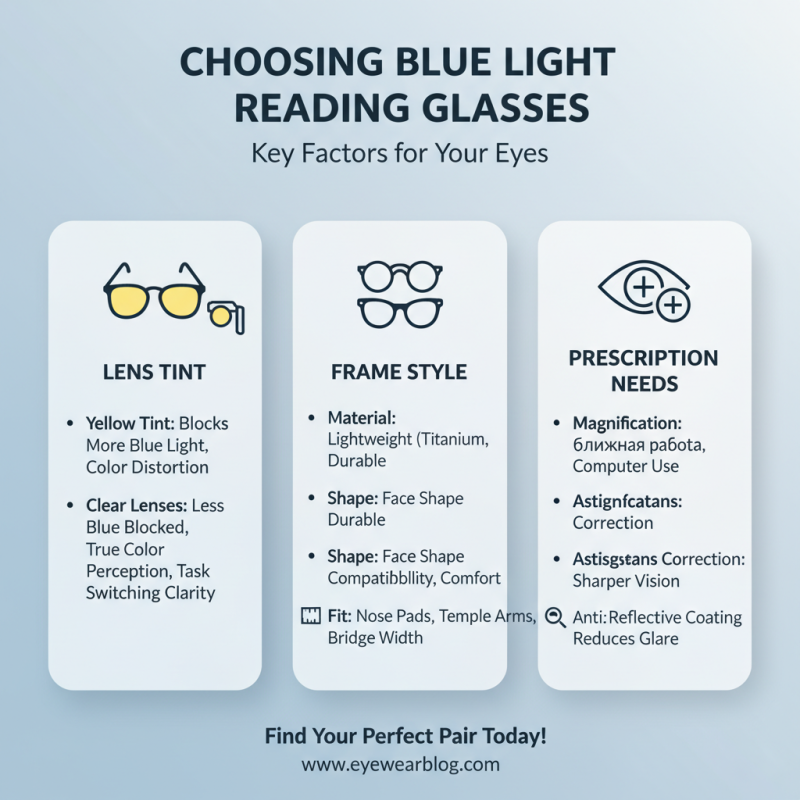
Choosing the right blue light reading glasses can be challenging. With so many options available, it’s important to know what to look for. Consider factors like lens tint, frame style, and prescription needs. Lenses with a yellow tint can block more blue light, but they might distort color perception. If you often switch between tasks, clarity is essential.
Frame style is equally significant. Read in comfort and choose frames that fit well on your face. Light frames can make extended reading sessions easier but may not offer the best durability. A heavier frame provides sturdiness but can become uncomfortable. It’s a balancing act.
Finally, think about your personal use. Are you reading e-books, working on the computer, or doing both? Different activities might require different features. Reflect on your habits. You might find that a specific type works better for your lifestyle than others. Staying aware of how these glasses affect your eyes is crucial. Sometimes, they can be beneficial, but don’t expect a miracle cure for eye strain. Adjusting your screen time is equally important.