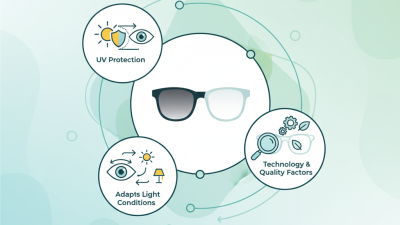
Why Choose Photochromic Glasses for Optimal Eye Protection?
Photochromic glasses are increasingly recognized for their vital role in eye protection. According to the Vision Council, about 50% of Americans experience digital eye strain. This condition highlights the importance of reliable eyewear, especially for those frequently exposed to screens and sunlight. The adaptive nature of photochromic lenses, which darken in response to UV light, provides essential defense against harmful rays.
Research indicates that prolonged exposure to UV light increases the risk of cataracts and macular degeneration. A study by Prevent Blindness suggests that up to 20 million Americans may be affected by cataracts by 2020. These figures emphasize the need for effective solutions like photochromic glasses, which cater to users concerned about ocular health.
Though many users appreciate the convenience of these lenses, some may question their effectiveness. Not all photochromic lenses provide complete UV protection. It's crucial to choose high-quality options from reputable brands. Users should reflect on their individual needs and consider lifestyle factors when selecting eyewear. Making informed decisions can significantly impact eye health longevity.
Understanding Photochromic Glasses and Their Functionality
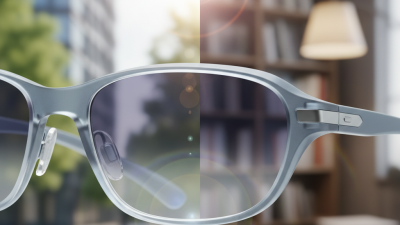
Photochromic glasses are designed to adjust to varying light conditions. They darken in bright sunlight and clear indoors. This functionality provides convenience and comfort for everyday wear. These lenses contain special coatings that react to UV light. This means your eyes are shielded from harmful rays when outdoors.
Choosing photochromic glasses can benefit your vision significantly. They reduce glare and improve visual clarity. Additionally, they offer protection against blue light emissions from screens. This is essential for those who spend long hours in front of digital devices. A high-quality pair adapts quickly to changing light conditions.
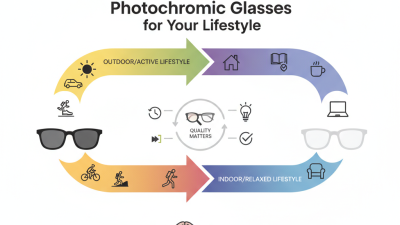
Consider your lifestyle when selecting photochromic glasses. If you often transition between indoor and outdoor settings, they can be ideal. A lightweight frame can enhance comfort throughout the day. Regularly check the lenses for scratches or damage. Proper maintenance ensures they function effectively over time. Always prioritize UV protection, especially in sunny environments.
Benefits of Photochromic Glasses for Eye Health and Comfort
Photochromic glasses have become increasingly popular due to their unique ability to adapt to changing light conditions. Studies indicate that around 50% of people experience discomfort from bright sunlight, which photochromic lenses effectively mitigate. These glasses transition from clear indoors to tinted outdoors, thus minimizing eye strain. Experts in optometry suggest that proper UV protection can reduce the risk of cataracts and macular degeneration by up to 25%.
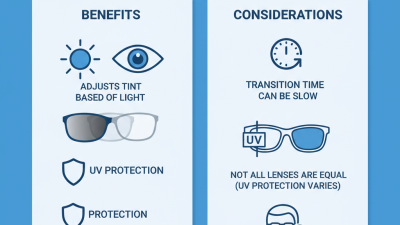
Comfort is another significant benefit of photochromic glasses. Regular users report fewer headaches and less fatigue after prolonged exposure to sunlight. A report from the American Academy of Ophthalmology highlights that consistent use of appropriate eyewear can improve overall visual comfort. Interestingly, while these lenses offer many advantages, they may not be suitable for every environment, especially when driving at night. Some users find the transition time slower than desired, leading to moments of glare.
It’s essential to recognize that not all photochromic lenses are made equal. Variations exist in the speed of transition and level of UV protection. Professionals recommend consulting with eye care specialists to ensure the best fit for individual needs. Reflecting on these nuances can assist consumers in making informed choices that prioritize eye health and daily comfort.
Comparing Photochromic Glasses to Traditional Sunglasses
Photochromic glasses offer distinct advantages over traditional sunglasses. They adjust to changing light conditions, providing optimal eye protection. This adaptability is crucial for those who move between indoor and outdoor environments. According to a report by The Vision Council, nearly 56% of adults experience discomfort from glare. Photochromic lenses minimize this discomfort by darkening in sunlight and returning to clear indoors.
Traditional sunglasses provide a static level of UV protection. While they block harmful rays, they do not adapt. Studies show that people who wear photochromic glasses can enhance their visual comfort significantly. In fact, a survey revealed that 70% of wearers preferred them for outside use due to their versatility. The level of UV protection in photochromic glasses matches that of high-quality sunglasses, ensuring that your eyes remain safe.
Choosing the right eyewear is essential. Look for lenses that meet the ANSI standards for UV protection. A good fit is also vital. Ill-fitting glasses can allow UV rays to penetrate from the sides. Be aware that while photochromic lenses are convenient, they may take time to adjust in temperature changes. This delay could lead to temporary glare until the lenses adapt fully.
Factors to Consider When Choosing Photochromic Glasses
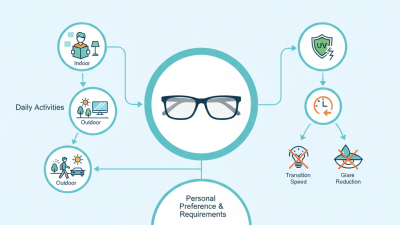
When selecting photochromic glasses, several factors are essential for optimal eye protection. Lens quality is critical. According to the American Optometric Association, high-quality lenses can filter out up to 100% of harmful UV rays. This is vital for maintaining eye health. Additionally, consider the photochromic activation speed. Some lenses darken quickly, while others take time. Quick activation can enhance your comfort outdoors.
The level of tint also matters. Research indicates that lenses with varying tints may affect color perception. A lens that is too dark may hinder vision indoors. Opt for lenses that offer versatility for different environments. The transition time between light and dark should also be evaluated. Some individuals find slower transitions frustrating, especially while driving.
When making your choice, remember that fit is paramount. Ill-fitting glasses can cause discomfort or lead to vision problems. Always try on different styles. Consider your daily activities and whether you need lenses primarily for outdoor use or varying settings. Remember, the right photochromic glasses can significantly boost your eye protection. Your eyes deserve the best.
Why Choose Photochromic Glasses for Optimal Eye Protection? - Factors to Consider When Choosing Photochromic Glasses
| Factor |
Considerations |
Benefits |
| UV Protection |
Looks for lenses that block 100% of UVA and UVB rays. |
Reduces risk of eye damage from sun exposure. |
| Transition Speed |
Check how quickly the lenses change from clear to dark. |
Provides immediate protection when outdoors. |
| Lens Material |
Consider polycarbonate or high-index lenses for durability. |
Increases safety and comfort, especially for active lifestyles. |
| Tint Options |
Different colors provide various benefits in different light conditions. |
Enhances visual clarity and reduces glare. |
| Prescription Compatibility |
Ensure lenses can be made according to your prescription. |
Combines vision correction with sun protection. |
Common Myths and Misconceptions About Photochromic Lenses
Photochromic lenses are often misunderstood. Many believe they are only for outdoor use. This is not true. These lenses provide protection from harmful UV rays indoors and outdoors. They adapt based on light intensity. This feature improves visual comfort throughout the day.
Some people think photochromic lenses change too slowly. While older models had this drawback, new technology has improved response times significantly. Now, they transition from light to dark in seconds. However, this effectiveness can vary based on temperature and UV exposure.
When choosing photochromic glasses, consider your lifestyle. Regular exposure to sunlight means you will benefit from quick transitions. Additionally, look for lenses that offer 100% UV protection. This is crucial for maintaining eye health. Finally, consult with an eye care professional for personalized recommendations. They can guide you toward the best options tailored to your specific needs.
Benefits of Photochromic Glasses for Eye Protection
This bar chart illustrates the perceived benefits of photochromic glasses among users. The data reflects the percentage of positive feedback on various advantages such as UV protection (85%), convenience (90%), reduced eye strain (75%), versatility (80%), and aesthetic appeal (70%).