Leave Your Message

How to Choose the Best Red Lens Glasses?

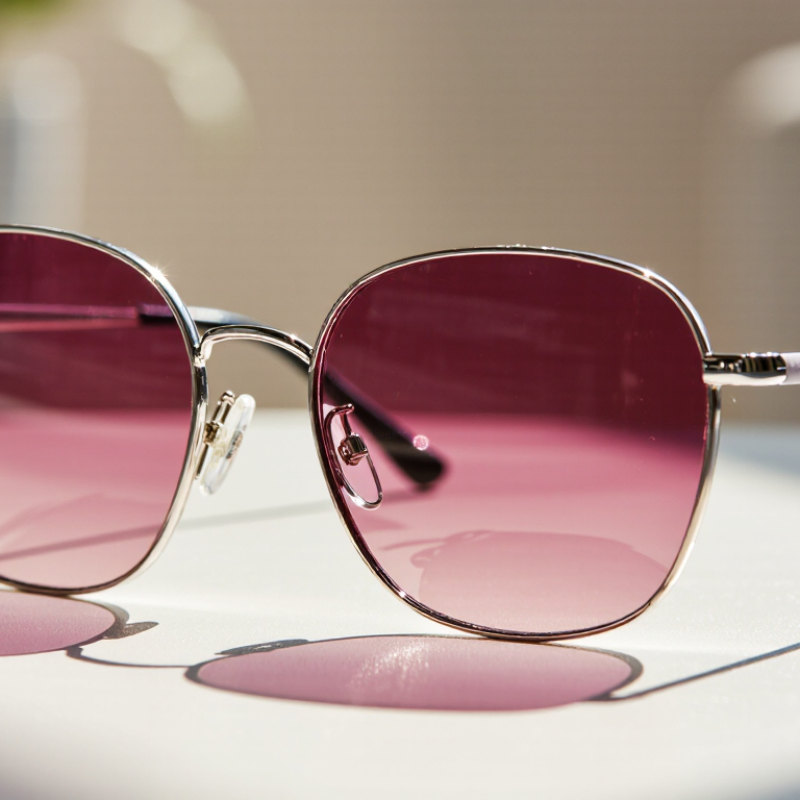
Choosing the best Red Lense Glasses involves more than matching a bright frame to your outfit. The red tint may change how colors appear, especially in traffic, sports, or low-light environments. Begin by identifying your main purpose. Fashion, driving, outdoor comfort, and screen use require different features. A bold red lens is not automatically protective. Confirm UV protection, optical clarity, and product testing before purchasing.

Fit matters every minute. The frame should sit evenly across your nose without leaving painful pressure marks. Your eyelashes should not touch the lenses when you blink. Check the side arms, too. They should feel secure without squeezing your temples. Lens darkness can also affect comfort. A deep tint may feel dramatic indoors, yet become impractical during evening activities. An optician can help if you need prescription lenses or have sensitive vision.

One common mistake is choosing color before performance. I understand the appeal; red lenses look striking in a mirror. However, glare, distortion, and poor coatings become obvious after several hours outside. Look for accurate product information, durable materials, and a return policy from a reputable seller. Be cautious with claims promising perfect vision, instant eye relief, or universal protection. Those promises deserve questions. The “best” pair may not be the most expensive or darkest. It should suit your eyes, routine, lighting conditions, and comfort preferences. Reconsider the purchase after testing the frame briefly. Small discomforts often become bigger problems later.
How to Choose the Best Red Lens Glasses?

What Red Lens Glasses Are and How They Work

Red lens glasses are eyewear with filters that allow more red wavelengths to reach the eyes. They reduce some shorter blue and green wavelengths, depending on the lens material and coating. The color alone is not enough. Two red lenses may look similar but transmit very different amounts of light.

Their effect begins with selective light transmission. The lens changes the spectrum entering the eye, so colors may appear warmer, darker, or less accurate. Strong red lenses can also lower overall brightness.

This may feel comfortable in dim environments, but it can reduce visual detail. Red lenses are not automatically sleep aids or medical treatment. Research on their benefits remains mixed, and individual responses vary.

Choose lenses by checking their transmission data, not only their appearance. A clear product description should explain which wavelengths are filtered and how much visible light passes through. Never use strongly tinted lenses for driving unless they meet local safety requirements. Test them briefly in a familiar, well-lit setting. Notice headaches, eye strain, color confusion, or unusual glare. Stop if discomfort continues.

A practical weakness is easy to overlook: red lenses can make some warning colors harder to distinguish. They may also feel helpful simply because they reduce brightness, not because red light has a special effect. An eye-care professional can help when symptoms persist or when you have an existing eye condition.
How to Match Red Lens Types With Your Visual Needs

Red lens glasses are not one category. Their tint, darkness, and light transmission should match the task. For driving or outdoor use, choose a light rose or copper lens with clear contrast and certified UV400 protection. The American Academy of Ophthalmology states that sunglasses should block 99–100% of UVA and UVB rays. Lens color alone cannot prove protection. Check the product test information.

For bright snow, water, or high-glare environments, a darker red or copper lens can reduce visual discomfort. However, darkness may hide details in shaded areas. A 2023 report from the International Commission on Illumination notes that perceived color and visibility depend on illumination, contrast, and the observer. That matters on changing trails. A lens that feels sharp at noon may feel dull near sunset.

If your goal is evening relaxation, deep red lenses are often marketed for reducing short-wavelength light. Small clinical studies have reported changes in evening melatonin or sleep timing, but results remain mixed. A 2023 systematic review in Sleep Medicine Reviews found that light-filtering lenses do not produce consistent sleep benefits across users. Use them as a personal experiment, not a guaranteed treatment. Wear them for several evenings, record sleep quality, and stop if headaches or visual strain appear. I once underestimated how quickly a dark tint affected stair edges. That mistake is worth remembering.

How to Choose the Best Red Lens Glasses? - How to Match Red Lens Types With Your Visual Needs

Red Lens Type Typical Visual Effect Recommended Visual Need Best Lighting Conditions Main Advantages Important Limitations
Light Rose or Pink-Red Provides a mild warm tint while allowing relatively high visible-light transmission. General outdoor comfort, mild glare sensitivity, and users who prefer a subtle tint. Bright but variable daylight, including partly cloudy conditions. Less color distortion than darker red lenses; easier to wear for extended periods. Usually provides less glare reduction than darker or polarized lenses; the actual UV protection depends on the lens rating.
Medium Red Filters more shorter-wavelength light and creates a stronger warm color shift. Outdoor contrast enhancement and comfort in visually bright environments. Sunny outdoor settings, open landscapes, and bright recreational areas. Can make some edges and surface details appear more pronounced, depending on the environment and the wearer. Changes color perception and may make it harder to distinguish color-coded signals or read natural colors accurately.
Deep Red Strongly reduces a broad portion of visible light and produces pronounced color distortion. Specialized visual environments where a strong red filter is specifically required. Very bright conditions, only when the lens transmission is suitable for the intended activity. Can substantially reduce brightness and may help users who prefer a strong filtered visual experience. Not appropriate for driving, low-light use, dusk, or activities requiring accurate color recognition unless specifically approved for that use.
Red-Orange or Amber-Red Produces a warm tint and commonly reduces some blue-violet light while preserving more brightness than a deep red lens. Contrast-oriented outdoor activities and changing light conditions. Overcast daylight, haze, and mixed outdoor lighting. Often offers a practical balance between brightness, contrast, and visual comfort. The perceived benefit varies by lens spectrum, surroundings, and individual vision; it does not guarantee sharper vision.
Polarized Red Lens Combines a red tint with a polarizing filter that reduces certain reflected glare. Glare-sensitive users and outdoor activities near water, roads, or other reflective surfaces. Bright sunlight with strong horizontal reflections. Can improve comfort by reducing reflected glare from surfaces such as water and pavement. Polarization does not replace UV protection; it may also make some digital displays harder to view at certain angles.
Photochromic Red-Tinted Lens Automatically changes darkness in response to ultraviolet exposure, depending on the lens design and temperature. Users moving frequently between indoor and outdoor environments. Variable daylight rather than consistently intense sunlight. Convenient light adaptation without changing glasses frequently. May not darken fully inside vehicles because many windshields block much of the activating UV light; transition speed also varies.
Prescription Red-Tinted Lens Combines an individually prescribed optical correction with a selected red tint. Users who need correction for myopia, hyperopia, astigmatism, or near vision in addition to tinting. Conditions appropriate for the selected tint density and prescription. Supports clearer focus while allowing the wearer to select a preferred tint and lens treatment. Requires accurate measurements and professional fitting; tint alone cannot correct an unaddressed refractive error.
Selection note: Red lens color, darkness, visible-light transmission, UV protection, polarization, and optical prescription are separate specifications. Choose sunglasses with clearly stated UV protection, and avoid dark or strongly tinted lenses for driving or low-light activities unless they are specifically rated for that purpose.

Key Factors for Evaluating Lens Quality and Comfort

How to Choose the Best Red Lens Glasses?

Lens quality matters more than a striking red tint. Start by checking the lens material, optical clarity, and light-transmission information. Reliable sellers should explain which wavelengths the lenses filter and how much light reaches your eyes. A darker lens is not automatically better.

Hold the glasses at arm’s length and inspect straight lines through each lens. If lines bend, the lens may create unwanted distortion. Look for even color across the surface, without cloudy patches or tiny bubbles. Anti-reflective coatings can reduce distracting glare, especially near screens or bright windows. However, coatings can scratch, so a protective case and gentle cleaning are necessary.

Comfort affects whether you will actually wear the glasses. The frame should sit securely without pressing your temples, cheeks, or nose. The lenses should align with your pupils, not drift when you move. Check the hinges, nose pads, and total weight after wearing them for ten minutes. That small test often reveals pressure that a mirror cannot show.

Red lenses may change color perception. They should not replace prescribed eye protection or professional advice. If you have sensitive eyes or a visual condition, ask an eye-care professional before regular use. I once focused too heavily on color intensity and overlooked frame balance. That was a useful mistake. Comfort is not a luxury; it is part of lens performance.

How to Select the Right Frame, Fit, and Style

Choosing red lens glasses starts with the frame, not the color. In my experience, a striking lens looks awkward when the frame fights your face. Round frames soften angular features, while rectangular frames add structure to softer cheeks. A narrow frame can make the eyes look crowded. Check the lens width against your temples and brow line. Leave a small, even gap above your cheeks. Comfort matters more than a dramatic first impression. It really does.

Fit should feel stable without pressure behind the ears or across the nose. Place the glasses on a clean face and gently shake your head. If they slide, the bridge or temple length may need professional adjustment. Your pupils should sit near the visual center of each lens. An optician can verify this, especially for prescription lenses. Red lenses differ in tint, darkness, and optical purpose, so ask what the coating actually does. Some are fashion lenses; others may reduce glare, but they are not automatically protective eyewear.

Style becomes easier when the red tone matches your wardrobe and setting. Deep burgundy feels restrained, while bright scarlet demands attention. Consider your hair color, skin undertone, and usual jewelry before choosing a shade. I once preferred a bold red frame, yet wore it less because it clashed with everyday clothes. That changed my view of “best.” The ideal pair should suit repeated use, not only photographs. Try them in daylight, indoors, and while reading. A mirror can mislead. Ask someone you trust for an honest opinion, then notice whether you remain comfortable after ten minutes.

How to Choose the Best Red Lens Glasses?

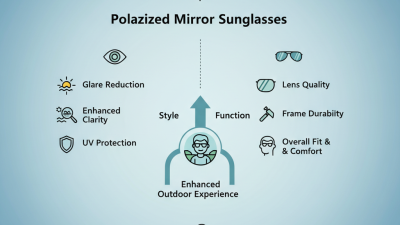
Compare lens filter categories, then select a frame with a secure bridge fit, comfortable temples, and a style that suits your face.

Lens: Red color alone does not determine protection. Check the stated UV protection and the filter category before buying.
Fit: The bridge should rest securely without pinching, while the temples should sit comfortably without sliding or pressure.
Style: Choose a frame width close to your face width; rounded frames soften angular features, while rectangular frames add structure.

The chart uses visible light transmission ranges from ISO 12312-1 sunglass filter categories. Category 4 lenses are not suitable for driving.

How to Compare Safety, Durability, and Overall Value

Choosing the best red lens glasses requires more than judging color or style. Safety should come first. A red tint may improve contrast in certain lighting, but it does not prove impact protection or complete ultraviolet filtering.

OSHA estimates that nearly 1,000 American workers suffer eye injuries daily, with annual costs exceeding $300 million. That number is sobering.

For workplace use, check clear markings related to ANSI/ISEA Z87.1-2020, including impact classification. For outdoor wear, look for documented ultraviolet protection, not only a “UV400” claim. Red lenses can also change color perception, which may affect traffic signals or warning lights.

Durability depends on the frame, hinges, lens material, and surface coating. Polycarbonate lenses usually offer strong impact resistance, while scratch-resistant coatings can reduce early visual damage. Still, “scratch-resistant” does not mean scratch-proof.

I would inspect hinge movement, nose-pad stability, and lens edges before paying. The glasses should stay secure when you bend, walk, or sweat. Poor fit creates pressure points and encourages constant adjustment.

A good price should include reliable testing, replaceable parts, and a clear warranty. The Vision Council’s consumer research shows that comfort and fit strongly influence eyewear use, yet shoppers often overlook them.

I sometimes value appearance too much. That is a mistake worth correcting. Compare replacement costs, test records, and daily comfort before comparing discounts.