What is Photochromic Reading Glasses and How Do They Work?
Photochromic reading glasses are revolutionizing how we approach vision correction. Dr. James Smith, an optometry expert, states, "These glasses adjust to light, enhancing both comfort and clarity." This innovation caters to those who require reading glasses but find traditional options inconvenient under varying light conditions.
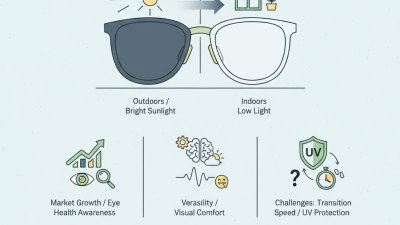
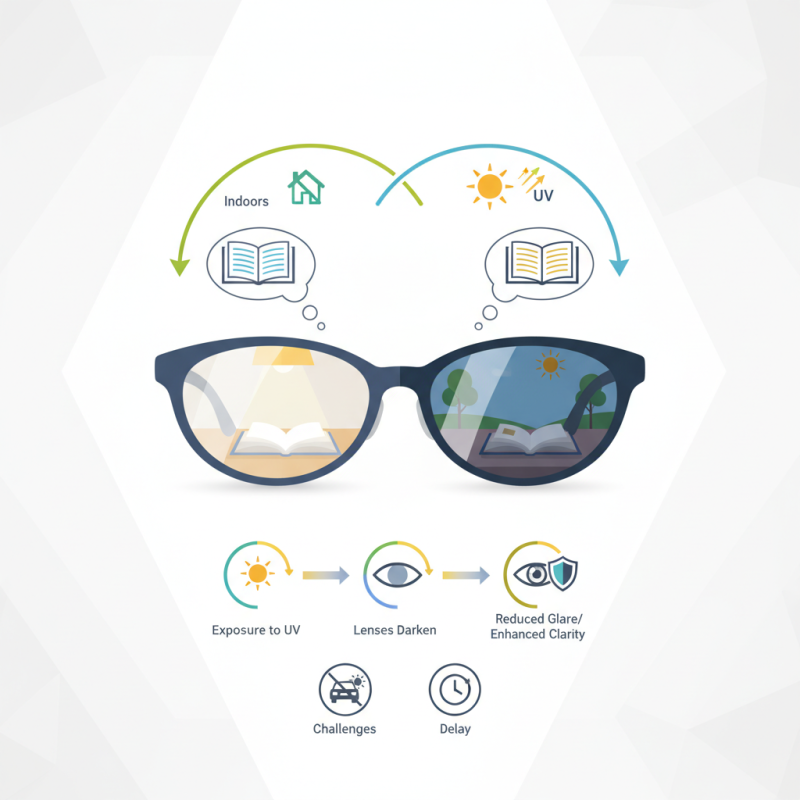
The mechanics are fascinating. When exposed to UV light, the lenses darken, reducing glare indoors or out. Conversely, they return to a clear state indoors, allowing for seamless transitions. This adaptability is especially beneficial for avid readers who move frequently between different lighting environments.
However, challenges exist. While photochromic lenses work well outdoors, they may not darken effectively behind windows, limiting their full potential. Additionally, some users report a slight delay in the transition, which can be bothersome. Despite these minor drawbacks, photochromic reading glasses represent a significant stride in optical technology, providing more than just vision correction.
What Are Photochromic Reading Glasses?
Photochromic reading glasses are innovative eyewear that automatically adjust their tint in response to UV light. These glasses are designed for individuals who require reading assistance but also wish to protect their eyes from harmful sun exposure. When indoors, the lenses remain clear, allowing for easy reading and vision clarity. As soon as one steps outside, the lenses darken to offer superior protection from bright sunlight.
According to a report by the American Optometric Association, over 75% of adults wear some form of vision correction, often seeking solutions that combine functionality and comfort. Photochromic lenses can reduce glare and improve contrast, which enhances the reading experience outdoors. Moreover, a study by the Vision Council indicates that nearly 50% of consumers prefer photochromic lenses due to their convenience and versatility.
However, it's worth noting that these lenses may not darken as effectively in cars, as many automotive windshields filter out UV light. Additionally, some individuals may find the transition between light and dark slower than expected. These subtleties underscore the need for potential users to weigh the benefits against their specific needs and environments before making a decision. Understanding these nuances is crucial for anyone considering photochromic reading glasses.
The Science Behind Photochromic Lenses
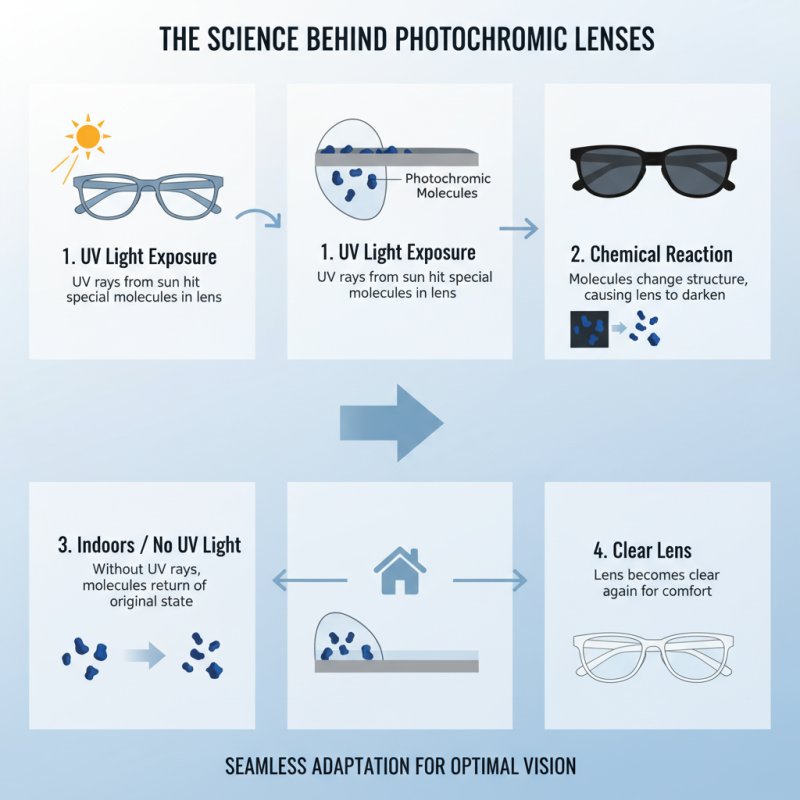
Photochromic lenses possess a fascinating ability to adapt to changing light conditions. These lenses darken upon exposure to ultraviolet (UV) light. They return to their clear state indoors, providing seamless transition and comfort. This optical property is due to special molecules embedded in the lens material. When UV rays hit these molecules, a chemical reaction occurs, altering their structure and color.
The science behind this technology involves the principle of photochemistry. Photochromic materials contain silver halides or organic compounds. These compounds respond to light by changing shape, allowing them to absorb visible wavelengths. When the UV light fades, the molecules revert to their original structure. This process illustrates the intricate balance of light exposure and chemical response, creating a lens that suits both indoor and outdoor environments.
While photochromic lenses offer convenience, they do have limitations. They can take time to adjust fully, especially in extreme weather conditions. Also, their effectiveness can be reduced by car windshields, which often block UV rays. Understanding these nuances can help users make informed choices. Balancing the advantages with their drawbacks is essential in selecting the right eyewear for various lifestyles.
How Photochromic Lenses Change with Light Exposure
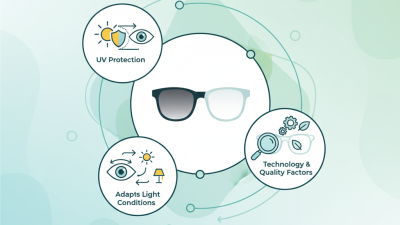
Photochromic reading glasses are designed to adapt to different lighting conditions. They darken in bright sunlight and return to clear indoors. This unique feature makes them versatile for readers who transition between environments.
When exposed to UV rays, the molecules in photochromic lenses undergo a chemical reaction. This reaction causes the lenses to change color, providing protection from glare and harsh sunlight. Once removed from sunlight, the lenses gradually fade back to their original state. This dynamic response enhances visual comfort.
Tips: Always consider your lifestyle when choosing photochromic glasses. They are not just for outdoor use; they can also benefit those who travel between different light settings. Remember, some people may find the transition time slow. It’s essential to try them out in various environments. Consider your personal preference for light sensitivity. Adjustments may be necessary to achieve the perfect fit for your needs.
Benefits of Using Photochromic Reading Glasses
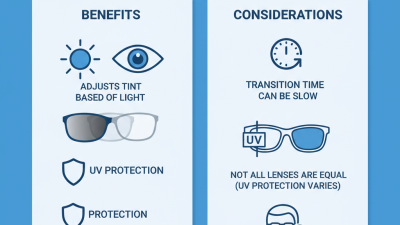
Photochromic reading glasses are gaining popularity for their unique ability to adapt to changing light conditions. These glasses darken when exposed to sunlight and become clear indoors. This flexibility provides numerous advantages, which can greatly enhance the reading experience. One major benefit is reduced eye strain. With the lenses adjusting to light, your eyes won't have to work as hard. This leads to a more comfortable reading session.
Another benefit is UV protection. Photochromic lenses block harmful UV rays, which is essential for long-term eye health. They allow you to focus on your reading material without worrying about sun exposure. Many users also appreciate the convenience of not needing two separate pairs of glasses. Transitioning from indoor to outdoor settings is seamless with photochromic lenses.
Tips: When selecting photochromic glasses, consider lenses with a fast transition speed. This means they will darken and clear more quickly. Additionally, ensure that the glasses provide adequate scratch resistance. Regular maintenance can enhance their longevity and your reading comfort. Always seek advice from optometrists for personalized recommendations.
Factors to Consider When Choosing Photochromic Glasses
Choosing photochromic glasses involves several key factors. First, consider the lens type. There are various materials, such as polycarbonate and high-index lenses. Each material has its own weight, thickness, and durability. Pick the one that best fits your daily activities.
Next, think about the transition speed. Some lenses darken quickly, while others are slower. Your lifestyle plays a crucial role here. If you spend time moving between indoors and outdoors, a faster transition is essential. Also, check the UV protection level. Higher protection is better for your eye health.
Lastly, fit and comfort are crucial. Frames should suit your face shape and personal style. If they don't fit well, you may not wear them often. Also, consider the coatings available, like anti-reflective or scratch-resistant. Each feature adds to the functionality and longevity of the glasses. Make sure to weigh these aspects for an informed choice.
What is Photochromic Reading Glasses and How Do They Work? - Factors to Consider When Choosing Photochromic Glasses
| Feature |
Description |
| Photochromic Technology |
Lenses that darken in response to UV light and return to clear in the absence of UV light. |
| Material |
Available in various materials including polycarbonate, high-index plastic, and glass. |
| UV Protection |
Provides protection against UVA and UVB rays, reducing the risk of eye damage. |
| Transition Speed |
The speed at which lenses change from clear to dark and vice versa can vary by product. |
| Color Options |
Available in different colors, affecting visual experience and style. |
| Scratch Resistance |
Coatings can be added to enhance scratch resistance properties. |
| Anti-Reflective Coating |
Optional coating to reduce glare, improving visual clarity. |