What is Polarized Sunglasses and Why You Need Them?
Choosing the right sunglasses can enhance your outdoor experience. Polarized sunglasses are not just a fashion accessory; they play a vital role in eye protection. These glasses reduce glare from surfaces like water, roads, and snow. For anyone spending time outdoors, glare can be a significant nuisance. It can impair vision and lead to accidents.
Polarized sunglasses filter out this disruptive light. They enhance contrast and clarity. This is especially important for activities like fishing, driving, or skiing. Imagine a day on the water. Without polarization, bright reflections can make it hard to see. With polarized lenses, you see clearly, and your eyes stay comfortable.
Yet, not everyone understands the advantages of polarized sunglasses. Some may hesitate, thinking they’re simply a luxury. This mindset can lead to missed experiences. Investing in good polarized sunglasses is not just about style; it's about eye health too. When you protect your eyes, you enjoy the world more fully.
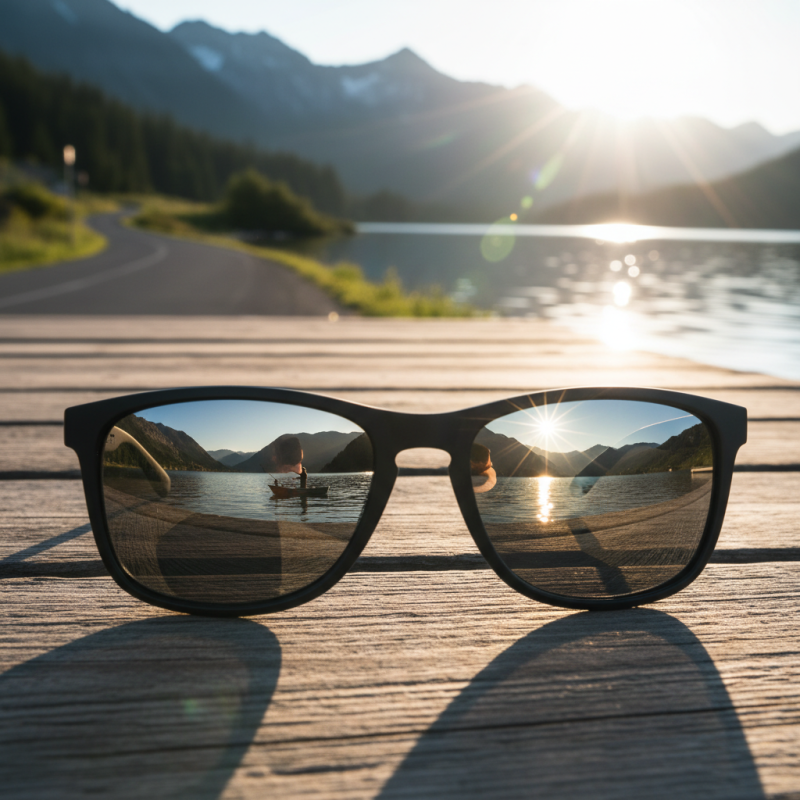
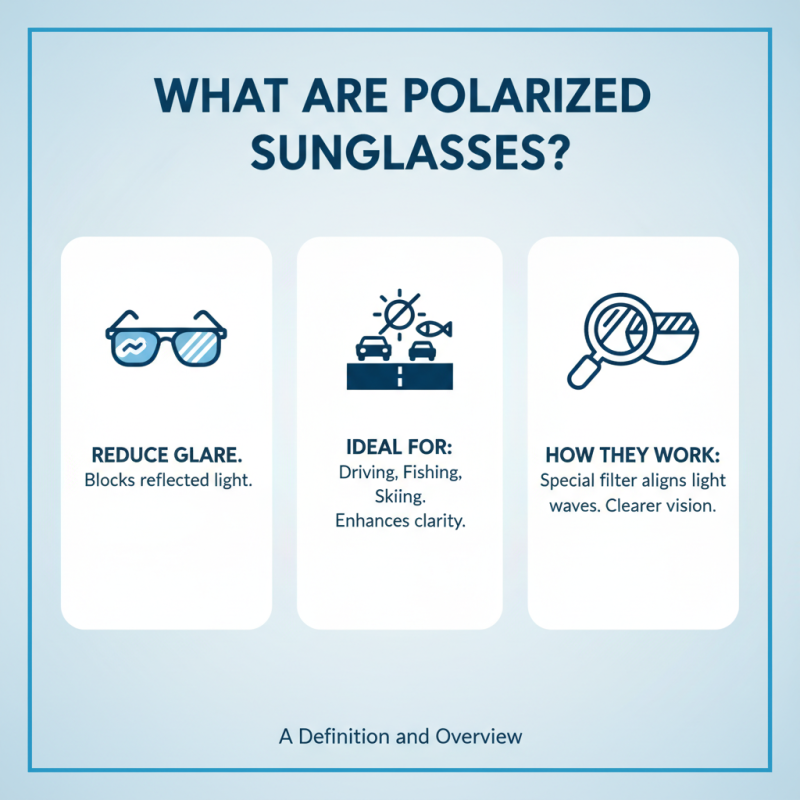
What Are Polarized Sunglasses? A Definition and Overview
Polarized sunglasses are a specialized type of eyewear designed to reduce glare. Unlike regular sunglasses, polarized lenses have a unique filter that blocks intense reflected light. This feature is especially beneficial for activities like driving, fishing, or skiing, where glare can hinder visibility. The construction of these lenses involves a chemical coating that aligns the light waves, resulting in clearer vision.
Many people overlook the impact of glare on their daily activities. Glare can lead to eye strain and fatigue. For instance, sunlight reflecting off water can create a blinding effect, making it hard to spot fish or navigate safely. Polarized sunglasses help in these situations by improving clarity. They also enhance color contrast, which can make your surroundings appear more vibrant.
However, not everyone needs polarized sunglasses. Some individuals may find them less effective for certain activities, like using a smartphone screen. Misunderstandings about polarization can lead to unnecessary purchases. It’s crucial to consider your lifestyle and environment before investing in a pair. The right choice will enhance your experiences, while the wrong one may not make a significant difference.
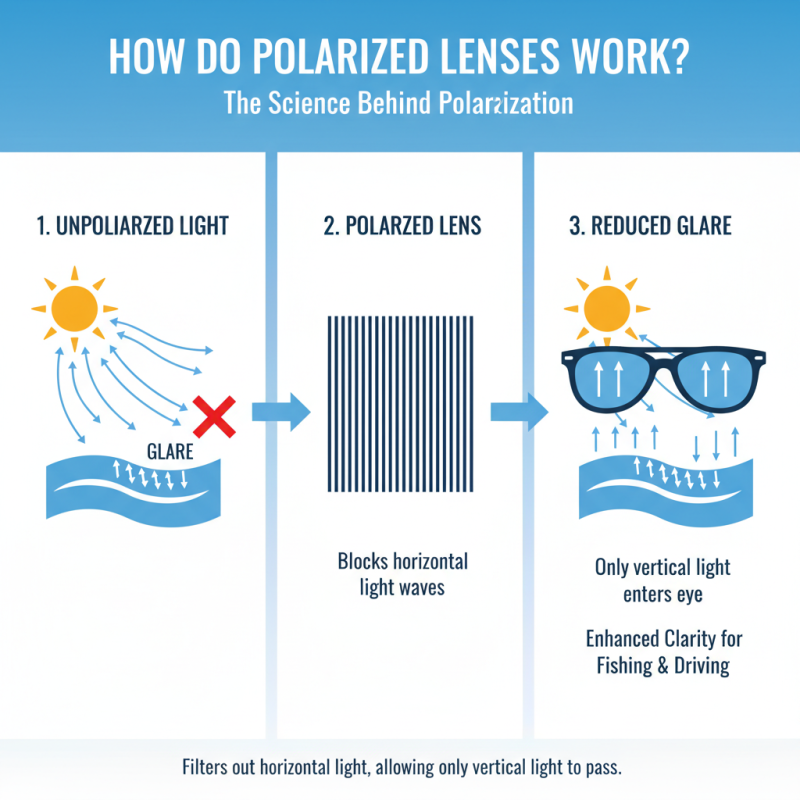
How Do Polarized Lenses Work? The Science Behind Polarization
Polarized lenses are engineered to reduce glare and enhance visual clarity. They achieve this through a special chemical treatment that aligns light waves in a single direction. This unique structure filters out horizontal light waves while allowing vertical waves to pass through. As a result, polarized sunglasses can significantly improve your visibility when engaged in outdoor activities, such as fishing or driving.
Understanding the science behind polarization reveals its effectiveness. Light from reflective surfaces, like water or pavement, scatters in various angles. This scattered light can cause discomfort and visual distortion. Polarized lenses minimize this issue by blocking the horizontal glare, allowing clearer vision. Many people notice immediate benefits when switching to polarized lenses, especially in bright conditions.
However, it is essential to acknowledge limitations. While polarized lenses improve comfort, they don't always eliminate all visual disturbances. Specific conditions, such as low-light situations or certain screens, might present challenges. Users should carefully consider their environments when choosing sunglasses. Overall, the science behind polarized lenses showcases a remarkable blend of engineering and practicality, making them a valuable addition to anyone’s eyewear collection.
Key Benefits of Polarized Sunglasses for Eye Health and Comfort
Polarized sunglasses offer significant benefits for eye health and comfort. They are designed to reduce glare from reflective surfaces, such as water, snow, and roads. According to the American Academy of Ophthalmology, overexposure to glare can lead to eye strain and discomfort. This strain can affect your overall vision and increase fatigue.
One key benefit of polarized lenses is their ability to block harmful UV rays. Research shows that excessive UV exposure can contribute to cataracts and macular degeneration. The Vision Council states that nearly 20 million Americans are affected by cataracts as they age. Wearing polarized sunglasses can help mitigate these risks while improving visual comfort.
Additionally, these lenses enhance clarity and contrast in bright environments. A report from the Optical Society found that polarized lenses improve contrast by roughly 30%. This clarity can improve safety for activities like driving or boating. However, some users report difficulty seeing digital screens while wearing polarized lenses. It's important to consider these factors when choosing the right eyewear for your lifestyle.
Industry Statistics: The Growing Popularity of Polarized Sunglasses
Polarized sunglasses have gained immense popularity in recent years. Statistics indicate that the global market for polarized eyewear was valued at approximately $4.21 billion in 2021. It is projected to grow at a compound annual growth rate (CAGR) of around 6.5% through 2028. This surge reflects a heightened awareness of eye health and outdoor activities' impact on vision.
Many consumers realize the benefits of polarized lenses. They reduce glare from reflective surfaces, especially water and roads. Studies show that nearly 60% of outdoor enthusiasts prefer polarized sunglasses for better visibility and comfort. However, not all polarized sunglasses are created equal. Consumers should be cautious about low-quality products that may not offer adequate UV protection.
As polarized eyewear gains traction, manufacturers must navigate consumer demands for style and performance. Trends suggest a shift towards eco-friendly materials in production. Data indicates that over 50% of millennials prefer sustainable options. However, the challenge lies in balancing aesthetics with functionality. This growing demand also forces brands to innovate, while simultaneously raising questions about pricing and accessibility for average consumers.
Choosing the Right Polarized Sunglasses: Factors to Consider
When selecting polarized sunglasses, several factors deserve careful consideration. Lens quality is paramount. High-quality lenses effectively reduce glare from reflective surfaces like water or roads. They can enhance color contrast and improve visual clarity. According to research by the American Optometric Association, polarized lenses can block up to 99% of harmful UV rays. This protection is crucial for maintaining eye health.
Fit is another vital aspect. Sunglasses should fit snugly but not overly tight. Gaps can allow unfiltered sunlight to enter, undermining the benefits of polarization. Comfort plays a significant role too. Often, people overlook style and prioritize comfort over fit. A comfortable pair encourages wear, impacting eye protection longevity.
Style is important, hinting at personal preference. However, it's essential to ensure that style doesn’t compromise function. Some designs may not provide full coverage, allowing light to enter. Thus, assessing frame shape and size is essential to maximize protective features. A balance between aesthetic appeal and functionality leads to better choices. Finding someone experienced in eyewear can help navigate these choices efficiently.
What is Polarized Sunglasses and Why You Need Them? - Choosing the Right Polarized Sunglasses: Factors to Consider
| Feature |
Description |
Why It Matters |
| Polarization |
Reduces glare from reflective surfaces such as water, snow, and roads. |
Improves visual comfort and clarity while reducing eye strain. |
| UV Protection |
Blocks 100% of UVA and UVB rays. |
Protects eyes from long-term damage and reduces the risk of cataracts. |
| Lens Material |
Common materials include polycarbonate, glass, and plastic. |
Affects durability, weight, and optical clarity. |
| Lens Color |
Colors can enhance contrast and depth perception. |
Impacts how well you can distinguish objects in different lighting conditions. |
| Fit and Comfort |
Should fit snugly without pinching or slipping. |
Ensures extended wear without discomfort. |
| Price Range |
Varies greatly depending on features and brand. |
Higher price often correlates with better quality and features. |