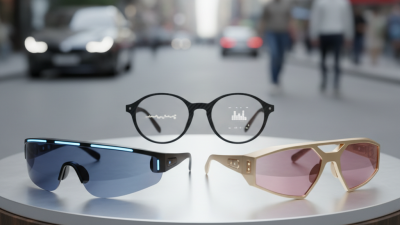
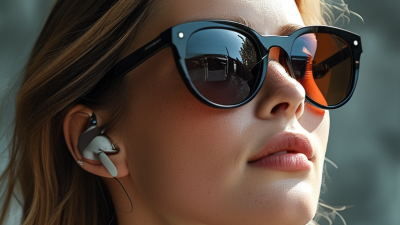
Why Are Smart Sunglasses the Future of Wearable Technology?
Smart Sunglasses represent a transformative leap in wearable technology. With the global wearable technology market projected to reach $60 billion by 2023, these innovative devices are carving a niche. In 2022, 34% of consumers expressed interest in smart eyewear, underscoring their potential appeal.
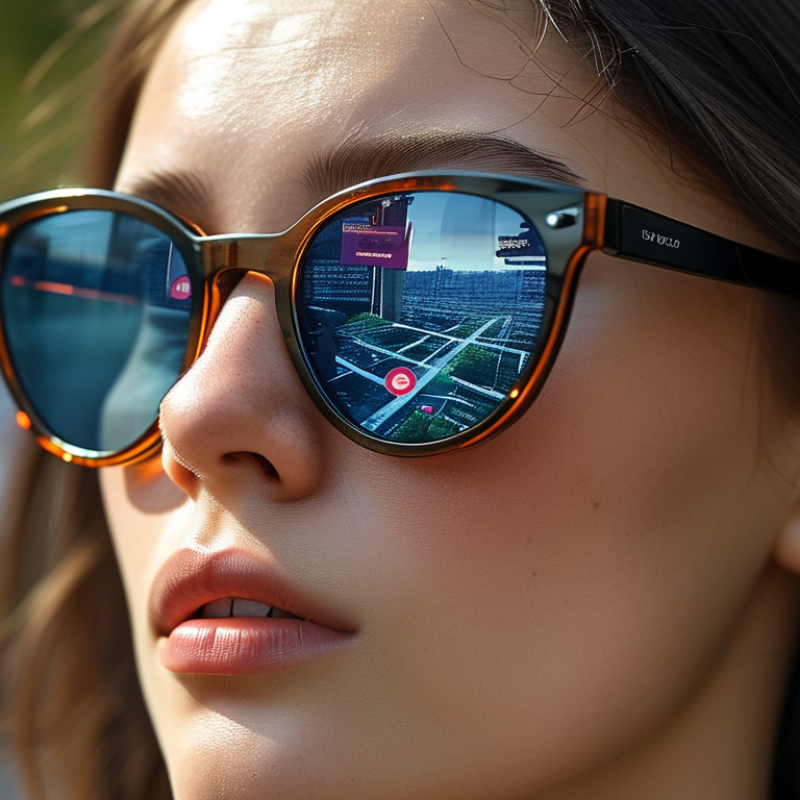
These goggles can integrate augmented reality, offering users information in real time. Imagine navigating a city while getting directions visually projected onto your lenses. However, this integration poses challenges. Users may feel overwhelmed by information overload, raising questions about usability and comfort.
The advantages are clear, yet some skepticism persists. Battery life remains a concern, limiting their reliability for daily wear. Furthermore, privacy issues arise as they can record visually without consent. These complex concerns suggest that while Smart Sunglasses can revolutionize the market, they require careful consideration.
The Evolution of Wearable Technology: A Brief Overview
Wearable technology has come a long way since its inception. The earliest devices were simple pedometers, tracking steps without much complexity. Over time, fitness trackers and smartwatches emerged, offering more features like heart rate monitoring and notification alerts. These advancements marked a significant shift in how we monitor our health and stay connected.
Recently, smart sunglasses have caught attention. Unlike their predecessors, they merge fashion with functionality. These devices allow users to listen to music, receive calls, and access notifications seamlessly. However, there are challenges. Privacy concerns arise as these devices record audio and video. Users must navigate ethical considerations around surveillance and consent. Also, the design often sacrifices comfort for technology, which may not resonate with everyone.
The evolution of wearable technology reflects our changing relationship with gadgets. As these devices become more integrated into our daily lives, it is crucial to address their potential downsides. Personal data security remains a significant issue. Balancing innovation with ethical implications will determine the future success of these smart wearables.
Understanding Smart Sunglasses: Features and Functionality
Smart sunglasses are fast becoming a significant player in the realm of wearable technology. They come equipped with various features that enhance everyday experiences. Many smart sunglasses now incorporate augmented reality (AR) capabilities. Reports indicate that the global AR market is projected to reach $198 billion by 2025. This growth suggests a burgeoning demand for devices that blend digital content with the real world.
Moreover, smart sunglasses often include built-in audio systems. These systems allow users to take calls and listen to music without the need for additional devices. A study by Grand View Research reveals that the global smart wearable market is anticipated to expand at a CAGR of 15.4% from 2022 to 2030. This growth indicates a significant interest in devices that integrate seamlessly into our lives.
While these features sound appealing, the technology must address certain limitations. Battery life and comfort are critical factors that require ongoing development. Users want stylish designs that do not compromise on functionality. Some designs may still feel heavy or cumbersome after prolonged usage. As the industry evolves, ensuring an ideal balance between aesthetics and technical capabilities remains a challenge.
The Benefits of Smart Sunglasses in Daily Life and Health
Smart sunglasses are more than just a fashion statement. They combine style with functionality. In daily life, these devices enhance safety. They can provide navigation prompts, so users stay aware of their surroundings. This feature is particularly helpful for cyclists and pedestrians.
Health benefits also abound. Smart sunglasses can track UV exposure, reminding wearers when they need protection. This capability is crucial for skin health. Additionally, some models monitor eye strain from screen time. Users become more conscious of their visual habits. However, reliance on technology can sometimes lead to over-dependence. It’s essential to balance tech use with traditional strategies for eye care.
The integration of smart sunglasses into daily routines is a game changer. They can boost productivity by minimizing distractions. Notifications can be viewed hands-free, allowing for seamless multitasking. Yet, there are concerns about privacy and data security. Users must contemplate the implications of constant connectivity. Thoughtful usage is key to maximizing benefits while minimizing risks.
Comparative Analysis: Smart Sunglasses vs. Traditional Eyewear
The rise of smart sunglasses is changing the landscape of wearable technology. Traditional eyewear primarily serves the function of vision correction and sun protection. However, smart sunglasses add an exciting layer of features. According to a report by Grand View Research, the smart eyewear market is projected to reach $61.3 billion by 2026, driven by advancements in technology and user demand for multifunctionality.
Unlike traditional eyewear, smart sunglasses incorporate augmented reality (AR), health monitoring, and connectivity. They can display notifications and even play music. A study by Technavio suggests that the integration of voice recognition and hands-free capabilities will enhance user experience significantly. Still, challenges remain. Battery life and integration with existing devices are current pain points for developers. Users may also find the price point of smart sunglasses higher than traditional options.
Moreover, the design and aesthetic appeal of smart sunglasses must not be overlooked. Many users prefer stylish frames, yet some models appear bulky. This creates a disconnect between technology and fashion. As brands strive for innovation, balancing practicality with style is crucial. The future of smart sunglasses lies in addressing these challenges while meeting consumer demands for both functionality and design.
Future Trends: The Role of AI and Connectivity in Smart Sunglasses
Smart sunglasses embody the intersection of artificial intelligence and connectivity, shaping the future of wearable technology.
According to a report from Grand View Research, the global smart eyewear market is projected to reach $30 billion by 2025. This growth hinges on the integration of AI and IoT capabilities into everyday objects, transforming simple eyewear into sophisticated devices.
AI lends smart sunglasses functions like real-time translation and navigation assistance. Users can have information overlaid on their lenses, enhancing their environment. A study from Statista suggests that nearly 50% of consumers aged 18-34 are interested in smart wearables. They seek seamless connectivity with smartphones and other devices. However, concerns about privacy and data security remain pressing. Transparency in data usage is essential for fostering user trust.
Connectivity advances also facilitate features like voice commands and gesture control. Recent trends indicate a shift towards wearable tech that promotes a hands-free experience. Despite advancements, challenges exist. Battery life and e-waste management are critical issues. Solving these problems will determine the long-term success of smart sunglasses in a rapidly evolving tech landscape.