Leave Your Message

Top Square Rimless Sunglasses Suppliers for Global Buyers

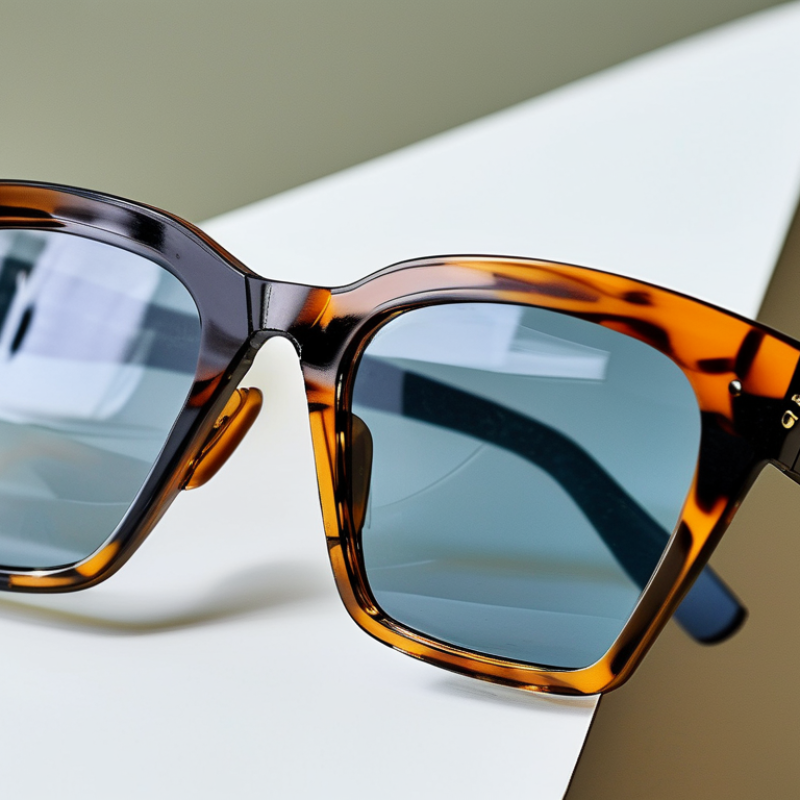
Choosing reliable Square Rimless Sunglasses suppliers requires more than comparing catalog photos and unit prices. Global buyers need evidence of stable quality, clear communication, and responsible production. A polished product image can hide uneven lens edges, weak nose pads, or loose temple screws. Samples matter.

This guide introduces leading supplier types and the practical standards buyers should examine before placing an order. It considers frame materials, lens clarity, UV protection documentation, hinge performance, finishing quality, packaging, and customization capacity. It also reviews minimum order quantities, sample policies, production timelines, and export experience. These details can affect both retail presentation and customer satisfaction.

Look beyond the lowest quote. Too cheap can become expensive. A dependable supplier should provide consistent specifications, transparent inspection procedures, and traceable business information. Buyers should request current product samples and compare them under normal lighting. Small differences often reveal larger production problems.

No supplier is perfect. That deserves attention. Some factories offer excellent customization but limited inventory. Others provide fast delivery but fewer color options. Honest evaluation helps buyers match supplier strengths with their market needs. Communication is another practical test. Timely answers, accurate measurements, and complete technical files suggest stronger operational control.

The suppliers discussed in this overview are selected for their potential value to international buyers, not merely their online visibility. Buyers should still verify certifications, contractual terms, packaging requirements, and destination-market obligations independently. A careful sourcing process protects brand reputation and supports long-term cooperation. Even a stylish rimless design must perform reliably after repeated daily use.

Top Square Rimless Sunglasses Suppliers for Global Buyers

Product Scope of Square Rimless Sunglasses

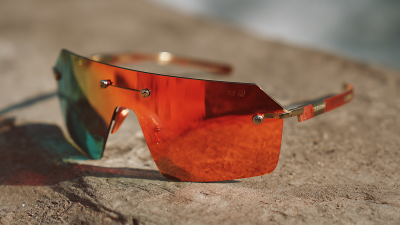
The product scope of square rimless sunglasses extends beyond a simple geometric frame. Grand View Research valued the global eyewear market at approximately USD 153.5 billion in 2023, showing strong room for specialized designs. Square rimless styles serve buyers seeking lightweight construction, wider visual coverage, and a clean appearance. The range may include polycarbonate, nylon, or mineral lenses, with widths commonly spanning 52 to 60 millimeters. Nose pads, bridge length, temple flexibility, and lens thickness directly affect comfort.

The Vision Council’s 2024 Consumer Insights report continues to identify sunglasses as an important eyewear purchase category in the United States. This supports demand for varied lens options, including polarized, gradient, photochromic, and blue-light filtering designs. However, blue-light claims need careful testing and wording. They are not automatically proven benefits. Buyers should request UV transmission results, impact testing, color consistency data, and batch records. Small details matter.

For global sourcing, the scope also includes packaging, size labeling, hinge durability, and market-specific documentation. ISO 12312-1 provides a recognized reference for general-use sunglasses, while regional rules may require additional testing. Rimless construction can reduce visual weight, but it may expose lenses to edge damage. That weakness deserves attention. Suppliers should offer sample inspections, coating adhesion tests, salt-spray checks, and repeated opening tests. A product sheet without measurable tolerances is not enough.

Top Square Rimless Sunglasses Suppliers for Global Buyers — Product Scope

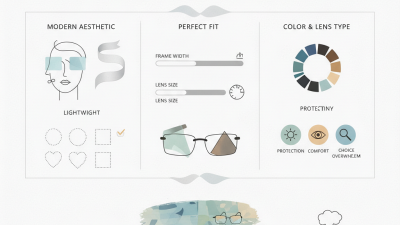
The chart presents typical optical sizing ranges used in square rimless sunglasses: lens width, bridge width, temple length, and lens height. These dimensions help global buyers compare product specifications without referencing any company or brand.

Key Supplier Selection Criteria for Global Buyers

Top Square Rimless Sunglasses Suppliers for Global Buyers

For global buyers, supplier selection should begin with product control, not catalog size. Square rimless frames expose weak drilling, uneven lens edges, and loose temple screws. During sampling, inspect lens symmetry under direct light. Test hinge movement repeatedly. Ask for material declarations, UV-transmission results, and optical-quality records. ISO 12312-1 is a useful reference for general sunglasses requirements, but buyers must check destination-market rules separately.

Grand View Research estimated the global sunglasses market at more than USD 20 billion in 2023, with continued growth expected through 2030. This growth increases supplier choice, but not necessarily supplier reliability. Request factory audit evidence, production photographs, and traceable batch records. Confirm minimum order quantities, replacement policies, packaging strength, and realistic lead times. A low unit price can still be expensive. One overlooked detail is spare hardware; rimless designs need it. Supplier communication also matters across time zones. Delayed answers often predict delayed corrective action.

Manufacturing Standards and Customization Capabilities

Top Square Rimless Sunglasses Suppliers for Global Buyers

Reliable suppliers treat manufacturing standards as a daily process, not a sales statement. They inspect lens alignment, drilling accuracy, screw torque, and frame stability during production. UV protection should be verified through independent laboratory testing, not assumed from tinted lenses. Buyers should request current test reports, material declarations, and batch records before placing large orders. Quality systems such as ISO 9001 can support consistency, but certification alone cannot replace product inspection. Small defects matter.

Customization capabilities separate capable manufacturers from simple trading companies. Experienced suppliers can adjust square lens dimensions, bridge width, temple length, and drilling positions. They may also offer polycarbonate, CR-39, or mineral lens options, depending on weight and optical needs. Color matching requires approved samples, especially for transparent frames and metallic finishes. Packaging, barcode labels, and instruction cards can be adapted for different markets. However, customization often increases lead time and minimum order quantities. That trade-off deserves honest discussion.

Tips: Ask for a physical prototype before bulk production. Check lens symmetry under bright light. Confirm UV test methods and acceptable tolerance ranges. Request photos from final inspections, not only factory samples. Keep one approved reference unit. It helps resolve disputes later. Some suppliers promise perfect consistency, yet color variation can still appear between batches. Plan for it, and document every agreed detail.

Top Square Rimless Sunglasses Suppliers for Global Buyers - Manufacturing Standards and Customization Capabilities

Supplier Profile Typical Frame Materials Lens Options Applicable Manufacturing Standards Customization Capabilities Typical MOQ Typical Production Lead Time Recommended Buyer Type
High-Volume Injection-Molding Manufacturer TR-90 nylon, polycarbonate, stainless-steel components Polycarbonate, CR-39, polarized, gradient, mirrored, UV-protective ISO 9001 quality systems; EN ISO 12312-1 or ISO 12312-1 testing; ANSI Z80.3 testing where required Custom square lens shape, frame color matching, temple graphics, logo application, lens tint, packaging 500–3,000 pieces per color or model 35–60 days after sample and artwork approval Retail chains, distributors, promotional programs
Acetate Hand-Finishing Manufacturer Cellulose acetate, stainless steel, titanium nose pads and hardware CR-39, nylon, mineral glass, polarized, anti-reflective, gradient ISO 9001 quality systems; EN ISO 12312-1 or ISO 12312-1 optical and mechanical testing Custom acetate colors, laminated patterns, lens geometry, bridge width, temple length, hand-polished edges 100–500 pieces per style 45–75 days after approved prototype Independent labels, optical boutiques, premium private-label buyers
Lightweight Rimless Assembly Specialist Stainless steel, titanium, monel, polyamide temple components Polycarbonate, nylon, CR-39, polarized and photochromic options ISO 9001 quality systems; ISO 12312-1 or EN ISO 12312-1; nickel-release controls where applicable Drill-mounted lens patterns, bridge and temple dimensions, metal plating, laser marking, lens color 300–1,000 pieces per configuration 30–55 days after engineering approval Travel, fashion, and lightweight eyewear collections
Small-Batch Private-Label Manufacturer TR-90, acetate, stainless steel, recycled nylon options Polycarbonate, CR-39, polarized, gradient, blue-light filtering options Production controls aligned with ISO 9001 practices; product testing to the destination-market standard Existing square rimless molds, color selection, standard logo placement, pouch and carton customization 50–300 pieces per style 20–40 days using existing tooling Start-ups, online retailers, test-market programs
Export-Oriented OEM/ODM Manufacturer Acetate, TR-90, stainless steel, titanium, polycarbonate Polarized, UV-protective, mirrored, gradient, photochromic, prescription-compatible designs ISO 9001; EN ISO 12312-1; ISO 12312-1; ANSI Z80.3; U.S. impact requirements under 21 CFR 801.410 when applicable Full ODM development, 2D/3D drawings, tooling, lens prescriptions, packaging, compliance documentation 1,000–5,000 pieces per style 50–90 days for new tooling; 30–60 days for repeat orders Global importers, distributors, department-store programs
Sustainable-Material Manufacturer Recycled nylon, bio-based acetate, recycled stainless steel, plant-based polymer blends Recycled polycarbonate, bio-based nylon, polarized and standard UV-protective lenses ISO 9001 or equivalent process controls; ISO 12312-1 or EN ISO 12312-1 testing; material traceability documentation Recycled-content specifications, material certificates, custom colors, low-plastic packaging, traceable components 300–1,500 pieces per style 40–70 days after material confirmation Sustainability-focused retailers and eco-conscious private labels
Buyer verification note: MOQ, lead time, materials, and customization availability are typical industry ranges and should be confirmed with each supplier. Require test reports for UV transmission, optical quality, impact resistance, labeling, and destination-market compliance before shipment.

Pricing, Minimum Orders, and International Trade Terms

Top Square Rimless Sunglasses Suppliers for Global Buyers

Pricing, Minimum Orders, and International Trade Terms

Square rimless sunglasses often require precise drilling, lens alignment, and careful packaging. These details affect the final quotation. Request prices at several volumes, such as 100, 300, and 1,000 pieces. A low unit price may hide higher tooling, packaging, or inspection costs. Ask whether lenses, cases, logos, and spare screws are included. Confirm the currency and quotation validity period.

Minimum order quantities vary by lens color, frame finish, and customization level. Some suppliers accept small trial orders, while others require several hundred pieces per design. Request a pre-production sample and check bridge strength, screw tightness, optical clarity, and surface marks. Do not rely only on product photos. They can look perfect. Real samples may reveal weaknesses. Payment terms should be written clearly, including deposits, balance timing, and quality inspection rights.

Tips: Compare EXW, FOB, CIF, and DDP quotations carefully. The cheapest offer is not always the lowest landed cost. Confirm who handles export documents, freight, insurance, duties, and destination taxes. Ask for production lead time, carton dimensions, and shipping weight. Keep every specification in one approved document. A small error in lens color can affect an entire shipment. Supplier audits, factory records, and consistent communication also support a more reliable purchasing decision. No checklist is perfect, so leave time for unexpected delays.

Quality Control, Compliance, and Supplier Verification

When global buyers assess square rimless sunglasses suppliers, appearance is only the entry point. I examine lens clarity, frame balance, hinge movement, and edge finishing. A clean sample should have smooth drill holes and no visible stress marks. Small defects often reveal weak production controls.

Supplier verification needs evidence, not polished promises. Request a current business license, factory address, production photos, and traceable sample records. A live video inspection can confirm machinery, storage conditions, and worker safety practices. Ask for independent test reports covering UV protection, impact resistance, and restricted substances. Reports should match the exact lens and frame materials, not a similar product. Check labeling, packaging, and documentation against the destination market’s requirements. A supplier that avoids precise answers deserves caution.

I also compare three samples from different production batches. Color consistency may change under warehouse lighting. That matters. Keep a signed specification sheet with measurements, lens category, logo placement, and acceptable defect limits. Pre-shipment inspections should include random carton checks and photographs. My own mistake was trusting an attractive prototype too quickly; the bulk order later showed uneven rim drilling. Now I approve production only after a sealed reference sample and corrective-action record are available. A strong supplier can explain failures clearly, although no factory performs perfectly every time.