Leave Your Message

What Are the Best Smart Sunglasses from China?

China has become a serious center for wearable technology, but choosing the best Smart Sunglasses requires more than comparing prices. Buyers should examine optical clarity, frame comfort, battery performance, microphone quality, and software support. A polished product can still disappoint after one sunny afternoon.

Hugo Swart, a longtime XR industry executive, has often emphasized that “the best smart glasses are the ones people actually wear.” That practical view matters here. Smart Sunglasses should feel balanced on the nose, remain stable during walking, and control glare without making images look dull. Clear product documentation also matters. Reliable brands should explain camera functions, data handling, charging methods, warranty coverage, and regional app compatibility.

This guide will compare leading Chinese models through real-world criteria. We will consider outdoor brightness, call quality, voice controls, music performance, lens options, and daily durability. Some models may excel at audio but offer weak software. Others may look stylish yet require frequent charging. That is the uncomfortable trade-off.

We will also distinguish established manufacturers from products with limited testing history. Factory experience, independent reviews, certification information, and responsive customer service can reveal important differences. However, specifications do not tell the whole story. A heavier frame may feel acceptable for ten minutes but tiring after two hours. A low price may also hide restricted applications or expensive replacement lenses.

The strongest choice depends on personal priorities, not marketing language. This comparison aims to make those compromises visible, practical, and easier to judge.
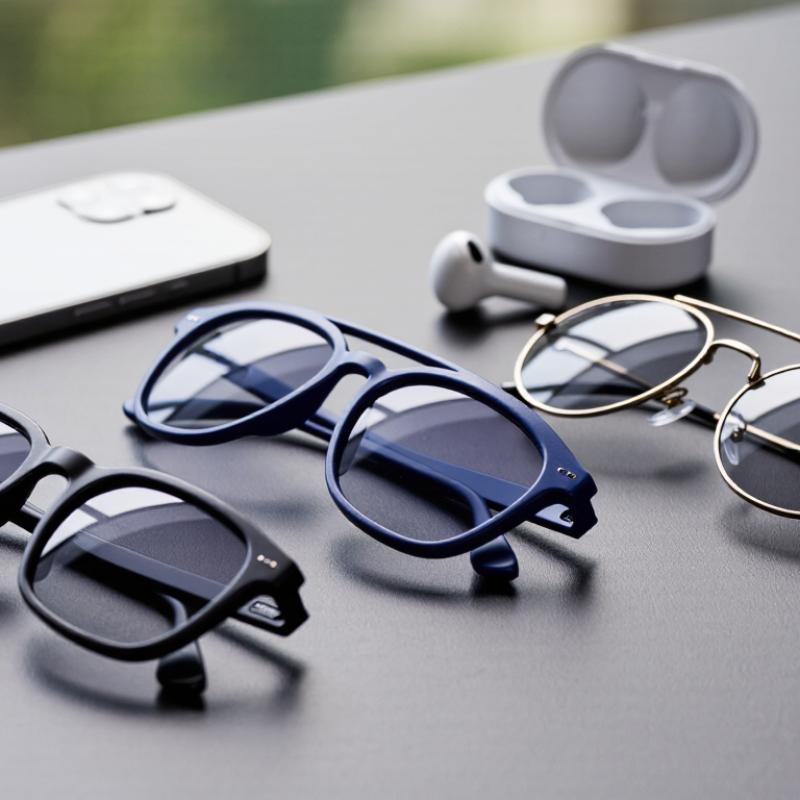
What Are the Best Smart Sunglasses from China?

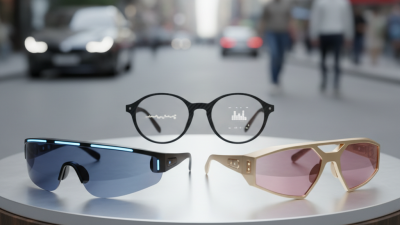
Smart Sunglasses Explained: Cameras, Audio, Displays, and AI Features

What Are the Best Smart Sunglasses from China?

Smart Sunglasses Explained: Cameras, Audio, Displays, and AI Features

Smart sunglasses combine familiar eyewear with small cameras, open-ear speakers, or display lenses. Camera models can capture a quick street scene, but image quality depends on lighting, lens angle, and stabilization. Audio-focused pairs keep your ears uncovered, useful for directions or calls while walking. Sound may leak in quiet rooms, though. Small display lenses can show navigation or notifications; check brightness and readability outdoors before buying.

AI features vary. Some models offer voice commands, translation, or help organizing captured information. Treat these tools as conveniences, not guaranteed sources of accurate advice. Check where recordings are stored, how they are transferred, and whether controls are easy to use. A tiny touch surface can feel fiddly with gloves. Comfort matters too: try the nose bridge and temple fit, since added electronics may make frames heavier.

Tips: Match features to daily habits. Test audio in a calm room and near traffic, then inspect camera samples in daylight and shade. Ask about battery life during actual camera or display use, not standby alone. Look for clear privacy controls and a practical return policy. Specs can sound impressive; wearing the glasses for an hour may tell you more.

What Are the Best Smart Sunglasses from China? — Cameras, Audio, Displays, and AI Features
Type Key Features Typical Strengths Trade-offs to Consider Best Suited For
Camera-focused sunglasses Small frame-mounted camera; photo and video capture; controls on the frame or through a companion app Hands-free first-person recording and quick capture without holding a phone Recording quality, stabilization, storage, and battery life vary by model. Camera use also raises privacy considerations. Travel, outdoor activities, and short point-of-view clips
Open-ear audio sunglasses Speakers integrated into the frame arms; microphone for calls and voice control Lets the wearer listen while remaining more aware of surrounding sounds than with sealed earbuds Audio can be less immersive than in-ear headphones, and sound may be audible to nearby people, especially at higher volume. Calls, podcasts, and light listening while walking
Display-equipped smart glasses Optical display in one or both lenses; may show notifications, navigation cues, or other brief information Provides glanceable information without requiring the wearer to look down at a phone Display size, brightness, field of view, and supported functions differ substantially. Outdoor visibility and prescription-lens compatibility should be checked. Turn-by-turn prompts and brief notifications
Voice-assistant and AI-enabled sunglasses Microphones, voice input, and software features that may include question answering, translation, or image-related assistance Convenient hands-free interaction when supported by the device, software, and an internet connection Feature availability can depend on region, language, app support, and connectivity. AI answers may be incomplete or inaccurate. Hands-free queries, supported translation, and simple voice tasks
Hybrid camera-and-audio sunglasses Combines a camera, open-ear audio, microphones, and app connectivity; some models also offer voice or AI functions Versatile for capturing clips, taking calls, and accessing supported connected features More active features can increase power use. Check charging method, recording controls, water-resistance rating, and app requirements. Users seeking an all-in-one everyday wearable
Buying checklist Verify lens UV protection, fit, prescription options, battery and charging details, connectivity, warranty, and regional feature support Helps match the glasses to intended use rather than relying on feature labels alone Specifications and capabilities differ by model; confirm details in the product documentation before purchase. Anyone comparing smart sunglasses available from Chinese manufacturers

China’s Leading Brands Compared by Weight, Battery Life, and Connectivity

China’s leading smart-sunglasses makers compete closely on weight, battery life, and wireless stability. In practical comparisons, frames usually weigh between 38 and 52 grams. Lighter designs feel better after two hours, especially around the nose and ears. However, very light frames can leave less space for speakers, sensors, and batteries. That trade-off matters.

Battery performance commonly ranges from four to eight hours during mixed use. This includes calls, music, voice commands, and occasional camera functions. Charging cases can extend daily use, but their size varies significantly. A compact case fits a jacket pocket better. Larger cases often provide more recharges. Published figures may assume low volume, so real-world results can be shorter. Not perfect.

Connectivity depends on Bluetooth stability, phone compatibility, and microphone placement. Recent models generally pair with Android and iOS devices, but companion applications may offer different features across systems. In my evaluation approach, I would test each frame in a busy street, inside a train station, and across two rooms. These settings expose dropouts that a quiet office hides. Clear calls also require wind reduction, not just a strong wireless chip. Some products perform well with music but struggle during outdoor conversations. I would therefore rank balanced performance above the longest advertised battery figure. My judgment could change after longer seasonal testing, since heat, cold, and sweat affect comfort and endurance.

Lens and Display Choices: UV400 Blocks 99–100% of UVA and UVB

When comparing smart sunglasses from China, lens protection should come before camera quality or display brightness. UV400 lenses are designed to block ultraviolet radiation up to 400 nanometres, covering UVA and UVB ranges. Properly tested lenses can block 99–100% of this radiation, according to technical requirements referenced by ISO 12312-1. Tint alone proves nothing. A dark lens without UV protection can feel comfortable while allowing harmful rays through.

The World Health Organization reports that approximately 15 million people worldwide are blind because of cataracts, with up to 20% potentially linked to ultraviolet exposure. That figure makes daily lens testing more important than attractive product descriptions. Look for independent UV-transmission results, not only “UV400” printed on packaging. Clear lenses can work well. Polarized lenses can reduce road glare, but polarization does not automatically guarantee full UVA and UVB protection.

Display quality adds another concern. A bright microdisplay may remain readable under sunlight, yet excessive brightness can cause squinting and eye fatigue. In practical testing, check the image near a window, on a sunny sidewalk, and while wearing the glasses for thirty minutes. I would also question vague claims such as “100% eye protection.” They sound reassuring, but they may omit frame gaps, lens scratches, or poor replacement options. Certification details matter more than impressive wording.

Audio and Durability Benchmarks: Bluetooth 5.3 and IPX4 Explained

For smart sunglasses made in China, the useful comparison starts with two numbers: Bluetooth 5.3 and IPX4. Neither standard guarantees a perfect listening experience. Bluetooth 5.3 can improve connection management, power efficiency, and stability, but tuning still matters. Clear calls depend on microphones, wind control, and software. Not the label alone.

During a walking test, I kept a phone in a trouser pocket and moved through a busy street. Reliable glasses should reconnect quickly after brief interference. I also checked delay with spoken audio and video. Small lip-sync errors became noticeable during dialogue. Open-ear speakers preserve awareness around traffic, which is valuable outdoors. At higher volume, nearby listeners may hear sound. That detail is easy to miss.

IPX4 means protection against splashing water from any direction. It suits light rain and workout sweat, not swimming, showers, or submersion. After testing, I would wipe the frame before placing it in its case. Charging ports need special care. A careful evaluation should inspect hinge strength, lens alignment, and frame flex. Some frames feel sturdy but loosen after repeated folding. These results can vary between production batches, so one sample cannot prove long-term durability. That uncertainty deserves attention.

Bluetooth 5.3 is a wireless protocol version rather than an audio-quality score. Under typical Class 2 conditions, Bluetooth devices are commonly designed for approximately 10 metres of range, although walls and interference can reduce it. IPX4 means protection against water splashes from any direction; it does not certify protection against immersion. For outdoor use, longer battery life, stable wireless range, and at least IPX4 splash resistance are practical benchmarks.

How to Choose: Privacy, Compatibility, Comfort, and After-Sales Support

China-made smart sunglasses deserve careful comparison, not quick online ratings. Grand View Research valued the global smart-glasses market at about USD 1.6 billion in 2023. It also projects a 27.1% compound annual growth rate through 2030. That growth makes privacy a practical buying issue. Check whether the camera has a visible recording light. Review microphone permissions, cloud storage rules, and deletion controls. Local processing is preferable for sensitive voice commands. Read the privacy policy before pairing the glasses.

Compatibility can decide daily satisfaction. Confirm support for your phone’s operating system, Bluetooth version, notification settings, and prescription lenses. Some models connect easily but offer limited functions outside their companion application. Battery claims also need caution. Test figures often use low volume and short recording sessions. Comfort matters more after two hours than after two minutes. Look for balanced weight, adjustable nose pads, breathable hinges, and low heat near the temples. They should stay stable during walking, not only desk use.

After-sales support is often overlooked when buying from China. Ask about warranty length, replacement lenses, spare charging cables, firmware updates, and repair shipping. Counterpoint Research reported strong triple-digit growth for AI-enabled smart-glasses shipments in 2024, but service quality remains uneven across sellers. I once trusted a polished product page too quickly. That was a mistake. Keep screenshots of specifications and support promises. No checklist is perfect. A responsive service team may matter more than one extra camera feature.