Why Are Navigator Sunglasses Popular Worldwide?
Why Are Navigator Sunglasses Popular Worldwide?
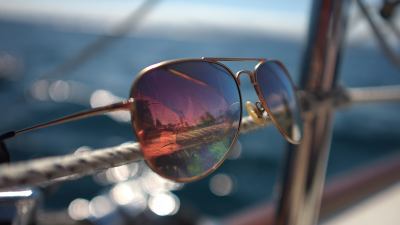
Navigator Sunglasses have moved beyond a seasonal fashion trend. Their broad lenses, thin metal frames, and defined brow line create a recognizable silhouette. The shape feels confident without looking overly aggressive. It also suits many face shapes when the bridge and lens width are fitted correctly.
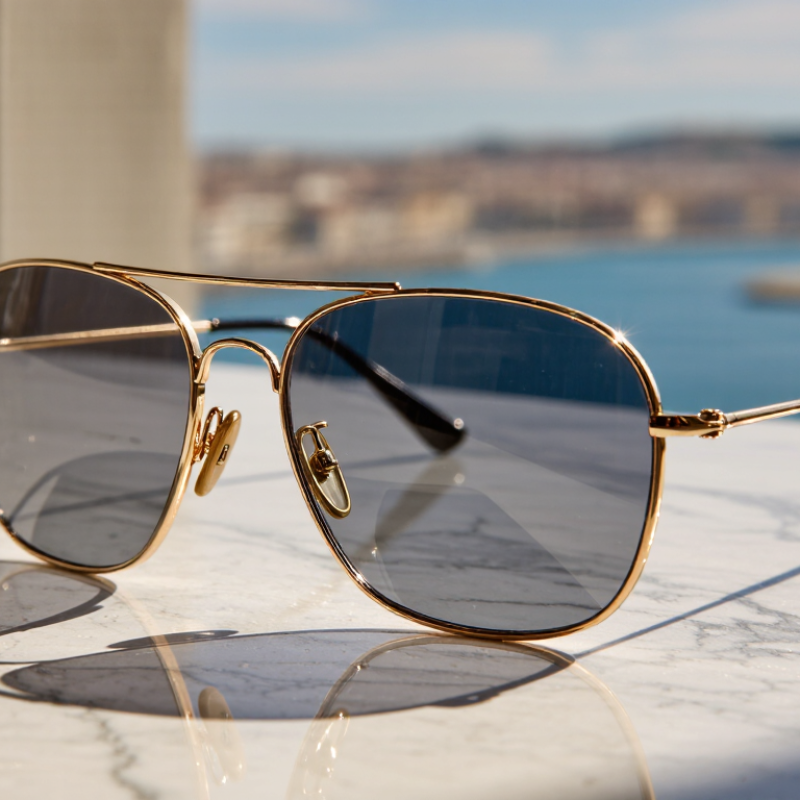
Neil Handley, an eyewear historian and museum curator, describes the appeal clearly: “Eyewear is never only about vision; it also communicates identity.” That observation helps explain their global reach. Navigator Sunglasses connect with aviation history, but they also fit modern streets, beaches, and business travel. A polished gold frame can reflect sunlight beside a Mediterranean harbor. A matte black pair can look practical on a crowded city commute. The style travels well because its visual language is easy to understand.
Comfort remains important. Lightweight metal, adjustable nose pads, and impact-resistant lenses can make long wear more pleasant. Reliable UV protection matters more than a famous logo. Buyers should check product specifications, proper fit, and local optical standards. Style alone cannot protect healthy vision.
The design is not perfect for everyone. Large lenses may overwhelm smaller faces, while narrow bridges can slide during active use. Some people also mistake darker lenses for stronger UV protection. That assumption is unreliable. Personal taste changes, too. Still, the balance of history, structure, and everyday versatility keeps Navigator Sunglasses visible across continents. Their popularity is not mysterious, though it is sometimes overstated. Good design helps, but thoughtful fitting makes the difference.
Navigator Sunglasses Defined: A Versatile Bridge-and-Lens Design
Why Are Navigator Sunglasses Popular Worldwide?
Navigator sunglasses are defined by their bridge-and-lens structure, not merely by a fashionable outline. They usually combine a broad brow line, angular lenses, and a visible double bridge. This creates a stronger visual frame than classic round sunglasses. The design can balance wide cheekbones and soften longer faces. Yet those claims are not universal. Face shape guides fitting, but personal proportion matters more.
The Vision Council’s consumer research reports that about 75% of U.S. adults wear sunglasses. That demand helps explain why adaptable shapes remain commercially important. Navigator frames suit driving, travel, and everyday outdoor use because their wider lenses can provide broad visual coverage. Optical professionals still check lens position carefully. A low bridge or oversized frame may cause sliding, glare, or uncomfortable pressure.
Protection must come before appearance. ISO 12312-1 covers general-purpose sunglasses, while credible optical guidance recommends lenses that provide full ultraviolet protection. Darker lenses alone do not guarantee safety. The World Health Organization estimates that at least 2.2 billion people have near or distance vision impairment, making accurate fitting and clear vision especially relevant. Material choice also affects experience: lightweight acetate can feel warm and substantial, while metal frames may offer easier adjustment. The mistake is treating the navigator shape as universally practical. It is versatile, but not effortless.
Design Features Behind Their Appeal: FDA-Recommended 99–100% UV Blocking
Why Are Navigator Sunglasses Popular Worldwide?
Navigator sunglasses attract attention through their balanced shape, broad lenses, and confident profile. Their appeal is not only visual. A well-designed pair can reduce glare while shielding more of the skin around the eyes. This matters on bright beaches, open roads, and reflective city streets. The best designs fit closely without pressing the temples or cheeks. Comfort still decides whether people wear them for ten minutes or an entire afternoon.
The key feature is ultraviolet protection. FDA guidance commonly supports sunglasses that block 99–100% of UVA and UVB radiation. Shoppers should check clear lens labels instead of trusting dark colors alone. Very dark lenses can look protective but may provide limited UV filtering. That difference is easy to miss. Quality lenses should also reduce distracting reflections without making traffic signs or pavement appear distorted. Polarization can improve glare control, although it does not replace UV protection.
From practical fitting experience, navigator frames work well when their lenses cover the natural viewing area without sliding during movement. Adjustable nose pads and firm hinges can improve stability. Still, no frame suits every face. Some oversized shapes feel heavy, and curved lenses may create slight visual changes at the edges. I have learned that attractive styling sometimes hides small fit problems. Buyers should inspect lens markings, test comfort, and choose certified optical products from reliable sellers.
Why Are Navigator Sunglasses Popular Worldwide?
Design Features Behind Their Appeal: FDA-Recommended 99–100% UV Blocking
The ultraviolet spectrum is divided into UVA, UVB, and UVC bands. FDA consumer guidance recommends sunglasses that block 99–100% of UVA and UVB radiation. Navigator-style sunglasses combine broad lens coverage, a secure fit, and wraparound-inspired geometry to help reduce direct and peripheral light exposure while meeting the importance of high UV protection.
UV Protection and Eye Health: WHO Links UV Exposure to Up to 20% of Cataracts
Navigator sunglasses are popular worldwide because their wide, curved frames offer practical coverage and a recognizable shape. Their larger lenses can reduce sunlight entering from the front and sides. That matters during driving, hiking, and beach walks. I once treated sunglasses as a style choice. That was an incomplete view.
UV exposure is an eye-health issue, not only a comfort problem. The World Health Organization reports that cataracts cause around 15 million cases of blindness globally. Its solar UV guidance estimates that up to 20% of cataracts may be linked to ultraviolet exposure. The American Academy of Ophthalmology also connects UV radiation with cataracts, pterygium, and photokeratitis. Short-term damage can feel like sand in the eyes. It can still be serious.
Look for lenses labeled UV400 or 99–100% UVA and UVB protection. Dark color alone proves little. A poorly rated dark lens may reduce visible light while offering inadequate UV filtering. Polarized lenses can control reflected glare, but polarization does not automatically provide UV protection. Wide navigator frames may help, yet gaps remain around the cheeks and temples. Fit matters. So does honest labeling. WHO’s Global Solar UV Index guidance encourages eye protection when UV levels are high, especially around water, snow, and pale concrete. I still find it easy to forget sunglasses on cloudy days. Clouds are not a reliable shield.
Market Context: Grand View Research Values the 2023 Sunglasses Market at $20.57B
Why Are Navigator Sunglasses Popular Worldwide?
Grand View Research valued the global sunglasses market at $20.57 billion in 2023. This figure shows strong demand for eye protection and everyday style. It does not explain every purchase. A market estimate is not a sales receipt.
Navigator sunglasses attract attention through their broad lenses, defined bridge, and balanced shape. They can suit travel, driving, outdoor work, and casual clothing. Many wearers also appreciate frames that feel structured without looking overly formal. From my experience comparing frame designs, comfort often matters more than appearance after several hours. However, face shape and fit still change the result.
Tips: Check UV protection details before buying. The frame should sit securely without pressing your temples. Test the nose bridge for slipping. Choose lenses that reduce glare, but remember that darker glass does not always provide better protection. This point is easy to overlook. Also, inspect hinge movement and lens clarity under natural light. Cheap construction can become uncomfortable quickly. Not every popular shape fits everyone, and that limitation deserves more attention.
Global Adaptability: EssilorLuxottica’s Worldwide Eyewear Network Supports Broad Access
Why Are Navigator Sunglasses Popular Worldwide?
Navigator sunglasses remain popular because their shape balances character with everyday practicality. The slightly squared frame suits many face profiles, while adjustable nose pads can improve comfort during long outdoor use. In humid coastal cities, lightweight materials and secure hinges matter. In bright, high-altitude regions, properly tested UV protection becomes essential. A fashionable frame is useful, but protection should lead the decision.
Global adaptability depends on more than shipping products across borders. A broad eyewear network can connect regional stores, optical professionals, laboratories, and repair services. This structure helps customers access fitting advice, prescription lens options, and reliable after-sales support. It also allows suppliers to respond to local preferences, such as wider bridges, darker lenses, or lighter frames. Small details matter.
Access improves when online and physical channels work together. Customers may compare frame measurements online, then confirm fit in a nearby store. Clear product data, return policies, and lens guidance build trust. Compliance testing should also reflect local safety requirements, not just marketing claims. No network is flawless. Delivery delays, limited rural coverage, and inconsistent fitting knowledge can still affect the experience. These weaknesses deserve attention. A truly worldwide system must keep improving its local service, not only expand its reach.