Leave Your Message

What Are Navigator Sunglasses and Who Are They For?

Navigator Sunglasses sit between classic aviator frames and modern square eyewear. Their flatter brow line, double bridge, and structured lenses create a recognizable profile. They can look polished on a weekday commute, yet practical beside bright water or an open highway. The style is not only about appearance.

Optometrist and eyewear writer Dr. Gary Heiting, OD, has emphasized, “The best sunglasses are the ones you wear consistently.” That idea matters here. Navigator Sunglasses should feel comfortable enough for daily use, not merely attractive in a mirror. Look for lenses offering 100% UVA and UVB protection, a stable bridge, and temples that do not pinch behind the ears. Polarized lenses may reduce reflected glare from roads, windows, and water, although they can sometimes make digital screens harder to read.

Who are they for?

They suit people who want more visual structure than rounded frames provide. They may flatter oval, heart-shaped, and longer faces, but face-shape rules are only rough guidance. Fit matters more than a chart. A narrow frame can make features appear crowded. A wide one may slide during movement.

The imperfect part is personal taste. Some wearers may find the double bridge too assertive. Others may discover that darker lenses feel uncomfortable indoors. Try them in real light. Check the mirror from several angles. Style helps, but reliable protection and comfortable fit should decide.
What Are Navigator Sunglasses and Who Are They For?

What Are Navigator Sunglasses?

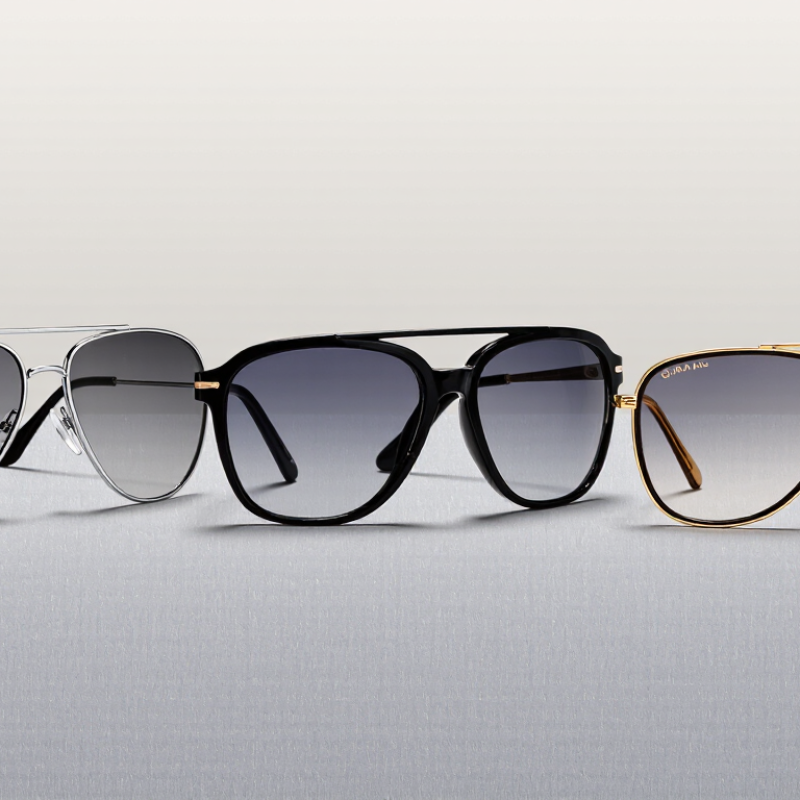
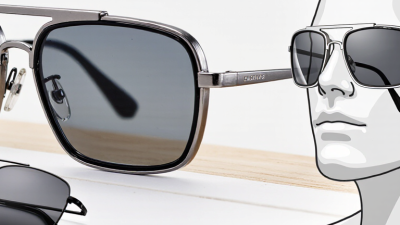
Navigator sunglasses are defined by their double bridge, broad lenses, and structured lower frame. They resemble aviator styles, but their shape usually looks more squared and architectural. The upper bar adds visual weight across the brow. The result feels confident, practical, and slightly retro.

They are not merely decoration. Navigator frames suit medium to wide faces, especially when the lens width balances the cheekbones. However, a broad frame can overwhelm a narrow face. Fit matters. I have found that adjustable nose pads improve comfort when the bridge sits too low. Lens coverage also helps reduce side glare, but frame shape alone cannot guarantee protection. Look for lenses labeled 100% UVA and UVB protection, or a recognized safety standard such as ISO 12312-1.

The World Health Organization’s World Report on Vision estimates that at least 2.2 billion people live with near or distance vision impairment. Good sunglasses cannot correct those conditions, but they can support safer outdoor habits. The Vision Council’s 2023 Consumer Insights research reported that roughly three in four U.S. adults wear sunglasses. That figure suggests broad everyday use, not just fashion interest. Still, comfort, optical clarity, and certified UV protection should guide the purchase. Style is useful, but it is not proof of quality.
Key Design Features and How They Differ From Other Frames

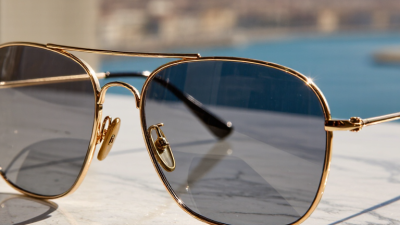
Navigator sunglasses combine the softness of aviator lenses with a more structured frame. Their lenses often look broad and slightly squared. A double bridge adds visual weight across the brow. This creates a confident, balanced appearance without looking overly sharp.

The main difference is structure. Aviator frames usually have a more teardrop-shaped lens and a lighter visual profile. Navigator frames often use flatter lower edges and stronger corners. They can suit oval, heart-shaped, and longer faces, but face shape is only a starting point. Frame width matters more than many shoppers expect. The temples should sit securely, while the lenses should remain centered over your eyes. A common fitting mistake is choosing a large frame for style, then accepting sliding or cheek contact. That is not a minor detail.

Tips: Check for reliable UV protection and clear lens markings. Try the sunglasses while looking down and turning your head. If they shift, the bridge or temple fit needs attention. Consider polarized lenses for reflected glare on water, roads, or glass, but remember that polarization does not replace UV protection. Lens color also changes visual comfort, not just appearance. Gray often preserves natural color, while brown can increase perceived warmth and contrast. Small differences matter. Perhaps too much attention goes to the frame shape. Comfort usually decides whether you wear them.

How Navigator Sunglasses Perform in Different Conditions

Navigator sunglasses combine a wide lens shape with a defined double bridge. They often suit medium to larger faces and people who prefer bold, balanced frames. Their performance depends more on lens quality and fit than appearance. In bright sunlight, polarized lenses can reduce glare from roads, water, and glass. This makes outdoor walking and driving more comfortable. However, polarization may make some digital screens harder to read.

In changing weather, navigator sunglasses offer useful coverage, but not complete protection. Large lenses can block side light during beach walks or mountain trips. They may also become warm around the nose during humid afternoons. In low light, dark lenses reduce visual detail, so they should not be treated as all-purpose eyewear. I initially expected the broad shape to prevent every glare problem. It did not. Fit still matters. A loose frame lets light enter from above and below, reducing comfort.

Tips: Check the lens category before outdoor use. Look for verified UV protection, not just a dark tint. Test the frame with your usual hat or helmet. If it slips during movement, adjust it professionally. Bring a clear or lighter pair for cloudy conditions. Small details matter.

Who Can Benefit From Wearing Navigator Sunglasses?

Navigator sunglasses are defined by their broad, slightly squared lenses and distinctive double-bridge design. Their shape offers more than a classic appearance. Larger lenses can cover more of the eye area, helping reduce bright light entering from the sides. Still, coverage depends on the frame’s fit, not its name.

Outdoor commuters, drivers, hikers, and people who spend long hours near water may benefit from this style. Polarized lenses can reduce reflected glare from roads, windows, and wet surfaces. They do not automatically provide ultraviolet protection, however. Look for clear labeling that confirms 100% UVA and UVB protection. People with sensitive eyes may also appreciate darker lenses, although very dark lenses are not always better. In low light, they can reduce useful vision.

Fit matters more than fashion. A navigator frame should sit securely without pressing the temples or touching the cheeks. People with a low nose bridge may need adjustable nose pads to prevent slipping. Prescription wearers should confirm lens compatibility with an optical professional. Wide frames can suit some face shapes, but they are not universally flattering. That is easy to overlook. Try them while turning your head, walking, and looking down. If the frame moves, the style may need better adjustment rather than a larger size. Children and outdoor workers need impact-resistant lenses appropriate for their activities, because ordinary fashion lenses may not provide enough protection.

What Are Navigator Sunglasses and Who Are They For?

Navigator sunglasses are a frame style often chosen for everyday outdoor wear. Their actual eye-protection benefits depend on the lenses, especially the amount of visible light they transmit and their ability to block ultraviolet radiation.

Bright outdoor users

Filter Category 3 lenses transmit 8–18% of visible light and are commonly suited to strong sunlight, beaches, mountains, and open outdoor areas.

Everyday wearers

Filter Category 2 lenses transmit 18–43% of visible light and can be useful for normal daylight conditions.

Important safety note

Category 4 lenses transmit only 3–8% of visible light and are not suitable for driving. UV protection should be confirmed separately on the lens label.

Visible-light transmission ranges shown are based on the commonly used sunglass filter categories in ISO 12312-1. Lower transmission means darker lenses; it does not by itself prove UV protection.

Choosing the Right Navigator Sunglasses for Your Needs

Navigator sunglasses usually feature a broad, squared frame, a straight brow line, and a slightly tapered lower edge. They look more structured than classic round frames. Their size can provide useful coverage around the eyes, especially in bright, open areas.

Choosing the right pair starts with fit, not appearance. Measure the frame against your brow and cheekbones. The lenses should cover your eyes without touching your cheeks. The bridge should sit securely, without leaving painful pressure marks. Adjustable nose pads can help, though they sometimes need professional fitting. Try the sunglasses while looking down and turning your head. If they slide, they may become irritating during driving, hiking, or cycling.

Lens quality matters as much as frame shape. Choose lenses labeled for 100% UVA and UVB protection. Polarized lenses can reduce glare from water, glass, and wet roads, but polarization does not replace ultraviolet protection. People with light sensitivity may prefer darker lenses, while drivers often need balanced contrast rather than the darkest option. Prescription wearers should ask an optician about lens thickness and frame compatibility. Face-shape guides can help, but they are not strict rules. A pair that looks ideal online may feel surprisingly large in person. That is easy to overlook.