Top 10 Photochromic Sunglasses Buyers Need to Know?
In the world of eye protection and fashion, photochromic sunglasses have gained immense popularity. These innovative eyewear options adjust their tint based on sunlight exposure. This seamless transition from clear to dark protects your eyes without the need for multiple pairs of glasses. Many people desire the convenience and style that photochromic sunglasses offer.
Choosing the right pair can be overwhelming. With numerous brands and features on the market, you might wonder which ones are worth your investment. Quality varies significantly across different products. Factors like lens material, UV protection, and durability should not be overlooked. It’s crucial to dive deeper into what makes a pair truly stand out.
This guide details the top photochromic sunglasses that buyers need to know. We aim to provide insights into their benefits and drawbacks. It is essential to reflect on your specific needs. Think carefully about how you will use them. Your perfect pair could be just a read away, ready to enhance your style and eye health.

Understanding Photochromic Sunglasses: Basics and Benefits
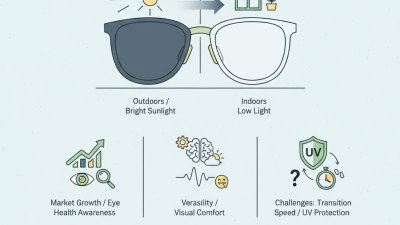
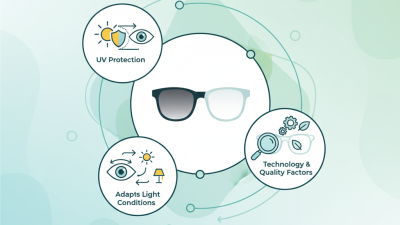
Photochromic sunglasses provide a unique blend of style and function. These lenses darken in response to UV light, offering protection and comfort. According to a recent report by the Sunglass Association of America, photochromic lenses can filter out up to 100% of harmful UV rays. This feature is crucial for eye health, especially for outdoor enthusiasts.
The versatility of photochromic sunglasses is another notable benefit. They adapt from light to dark quickly, making them suitable for various activities. Research indicates that the transition time can be as fast as 30 seconds. This adaptability means wearers can enjoy clear vision indoors and protection outdoors without switching glasses. However, some users report a slower adjustment in temperature changes. This could lead to frustration during sudden shifts in lighting conditions.
While the technology offers many advantages, there are limitations. Some photochromic lenses may not darken adequately in vehicles due to windshields that filter UV rays. This drawback may restrict their effectiveness for daily driving. Users often need to weigh the benefits against these potential inconveniences. Overall, photochromic sunglasses can enhance both lifestyle and eye health with proper understanding.
Top 10 Photochromic Sunglasses Features
How Photochromic Lenses Work: Science Behind the Functionality
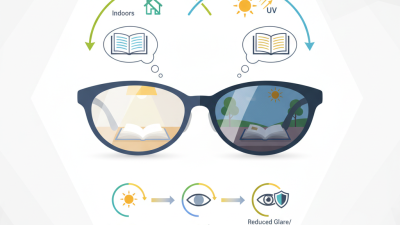
Photochromic lenses are fascinating. They adapt to changing light conditions. When exposed to UV light, these lenses darken. In low light, they revert to clear. This functionality is due to special photochromic dyes embedded in the lens material. These dyes undergo a chemical reaction when activated by UV rays.
The science behind this involves molecular changes. The dyes contain molecules that shift when exposed to sunlight. This shift changes the lens tint. It’s an elegant balance between practicality and technology. Many users appreciate the convenience. However, sometimes, these lenses can be slow to change. Some may find this frustrating in fluctuating light conditions.
Considerations also include clarity and color distortion. Photochromic lenses may not perform well in vehicles, as windshields block UV rays. Users should reflect on their needs before purchase. Overall, understanding the science helps in making an informed choice. The blend of convenience and technology should match personal preferences.
Key Features to Consider When Buying Photochromic Sunglasses
When considering photochromic sunglasses, one must focus on several key features. The most crucial aspect is the lens material. High-quality lenses often use polycarbonate or Trivex, providing excellent UV protection while ensuring lightweight comfort. Studies indicate that around 99% of UV rays can be blocked by these materials, making them a smart choice for outdoor activities.
Additionally, the speed of the transition is important. Some lenses adjust within 30 seconds while others may take up to a few minutes. This delay can be bothersome for users transitioning between different light conditions. Comfort is another vital factor. Frame fit and weight significantly impact the wearing experience. A poorly fitting frame can lead to discomfort during prolonged use, which defeats the purpose of protective eyewear.
Moreover, consider the visible light transmission (VLT) of the lenses. Lower VLT percentages provide better glare reduction in bright conditions, but might feel too dark indoors. Achieving the right balance is crucial. Despite advancements in technology, some users report that photochromic lenses do not activate as expected on cloudy days. This inconsistency can lead to frustration and reflects the need for careful evaluation before purchase.
Top Brands and Models of Photochromic Sunglasses to Explore
When exploring the world of photochromic sunglasses, you'll encounter various brands and models. These sunglasses adjust their tint based on light exposure. Users appreciate this feature for its convenience, as they seamlessly transition between indoor and outdoor settings. Many popular models feature sleek designs and advanced lens technology.
High-quality photochromic lenses often provide UV protection. This aspect is crucial for outdoor enthusiasts. Some brands emphasize durability, while others focus on style. You might find that not all photochromic sunglasses react the same way to UV light. Some lenses may take longer to darken or lighten.
Consider your lifestyle before choosing a pair. Are you frequently outdoors, or do you spend more time indoors? This decision impacts which model suits you best. It's essential to weigh the pros and cons of various options. Trying them on can provide insight into comfort and fit. Remember that personal preference plays a significant role in your choice. Your experience with each pair will guide your decision.
Top 10 Photochromic Sunglasses Buyers Need to Know
| Model |
Lens Material |
Price Range |
UV Protection |
Polarization |
| Model A |
Polycarbonate |
$100 - $150 |
100% UV400 |
Yes |
| Model B |
Nylon |
$120 - $180 |
100% UV400 |
No |
| Model C |
CR-39 |
$80 - $130 |
99% UV400 |
Yes |
| Model D |
Polycarbonate |
$90 - $140 |
100% UV400 |
Yes |
| Model E |
Glass |
$150 - $200 |
100% UV400 |
No |
| Model F |
Polycarbonate |
$110 - $160 |
100% UV400 |
Yes |
| Model G |
Nylon |
$130 - $180 |
99% UV400 |
No |
| Model H |
Glass |
$170 - $220 |
100% UV400 |
Yes |
| Model I |
Polycarbonate |
$120 - $170 |
100% UV400 |
Yes |
| Model J |
Nylon |
$140 - $190 |
99% UV400 |
No |
Tips for Proper Care and Maintenance of Photochromic Sunglasses
Proper care and maintenance of photochromic sunglasses ensure they maintain their effectiveness and longevity. These lenses darken in sunlight, protecting your eyes from harmful UV rays. However, they can degrade if not cared for properly. A study published in the "Journal of Optometry" emphasizes that regular cleaning significantly extends the lifespan of these lenses.
To clean your sunglasses, use a microfiber cloth and a lens cleaner. Avoid paper towels or clothing, as they can scratch the lens. Regular cleaning removes dirt and oils that can lead to lens deterioration. Moreover, storing them in a case when not in use helps prevent scratches. UV exposure can also degrade lens quality over time. Remember, even indoors, light can affect their performance.
Temperature fluctuations can impact photochromic lenses. Extreme heat can cause lens distortion. It’s wise to avoid leaving them in hot environments, like cars. Regular inspection for scratches is crucial. Minor scratches can turn into major issues, impairing vision. While photochromic lenses offer convenience, proper care is essential for optimal performance.